Quick answer: A female menses problem is any menstrual disorder that changes how often, how long or how heavily you bleed, or how much pain you feel. The main types are amenorrhoea, oligomenorrhoea, heavy bleeding, painful periods, bleeding between periods and PMS or PMDD. PCOS, thyroid disease, fibroids and stress are common causes.
Key takeaways
- Menstrual disorders are grouped by what changes: frequency, duration, volume, pain or timing of bleeding.
- Hormonal causes (PCOS, thyroid, prolactin) mostly disturb ovulation and cycle timing.
- Structural causes (fibroids, polyps, adenomyosis, endometriosis) mostly cause heavy or painful bleeding.
- Lifestyle, medicines, bleeding disorders and age-related changes also play a part.
- A history, a few blood tests and a pelvic ultrasound identify the cause in most women.
What are the main types of female menses problem?
Doctors describe menstrual disorders by the part of the cycle that has changed. Knowing the name of your problem helps you understand which causes are likely and which tests you may need.
| Type | What it means | Common causes |
|---|---|---|
| Primary amenorrhoea | No first period by age 15 | Delayed puberty, low weight, hormonal or anatomical conditions |
| Secondary amenorrhoea | No period for 3 months after previously regular cycles | Pregnancy, PCOS, stress, under-eating, thyroid, high prolactin |
| Oligomenorrhoea | Periods more than 35 days apart | PCOS, thyroid disorders, perimenopause |
| Frequent periods | Periods less than 21 days apart | Hormonal changes, perimenopause, thyroid disorders |
| Heavy menstrual bleeding (menorrhagia) | Heavy flow that affects daily life, or bleeding over 7 days | Fibroids, adenomyosis, polyps, bleeding disorders, blood thinners |
| Dysmenorrhoea | Painful periods | Prostaglandins (primary); endometriosis or adenomyosis (secondary) |
| Intermenstrual bleeding | Bleeding or spotting between periods | Hormonal pills, polyps, infection, cervical changes |
| PMS and PMDD | Physical and mood symptoms before periods | Sensitivity to normal hormone changes |
Abnormal bleeding in women who are not pregnant is classified by doctors using the FIGO PALM-COEIN system. Our separate article explains abnormal uterine bleeding and PALM-COEIN in detail.
What hormonal problems cause menstrual disorders?
Hormonal conditions usually cause irregular, infrequent or absent periods because they stop the ovaries from releasing an egg regularly.
Polycystic ovary syndrome (PCOS)
PCOS is one of the most common hormonal conditions in women of reproductive age. It causes irregular or missed periods, acne, excess hair growth and weight gain in many women. When ovulation does not happen, the lining can build up and later shed as a heavy, unpredictable period.
Thyroid disorders
An underactive thyroid (hypothyroidism) can cause heavier or more frequent periods. An overactive thyroid can make periods lighter or less frequent. A simple TSH blood test checks for both.
High prolactin (hyperprolactinaemia)
Prolactin is the milk hormone. High levels, caused by certain medicines, a small benign pituitary tumour or an underactive thyroid, can stop periods and sometimes cause milky nipple discharge.
Hypothalamic causes
Stress, low body weight, under-eating or very intense exercise can switch off the brain signals that trigger ovulation. This is common in busy professionals and athletes. Read more about hypothalamic amenorrhea in working women.
What structural problems in the uterus cause period issues?
Structural conditions mostly cause heavy, prolonged or painful periods, and sometimes bleeding between periods.
- Fibroids: non-cancerous muscle growths in the uterus. Fibroids that bulge into the cavity are most likely to cause heavy bleeding.
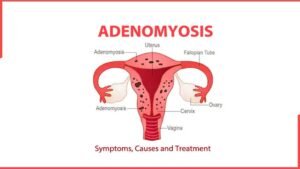
- Adenomyosis: lining tissue growing into the muscle wall, leading to a bulky, tender uterus with heavy and painful periods.
- Endometriosis: lining-like tissue outside the uterus, causing pain before and during periods, pain with sex and sometimes difficulty conceiving.
- Polyps: small growths of the lining or cervix that cause spotting, bleeding after sex or heavy periods.
- Endometrial hyperplasia: thickening of the lining, often after long spells without ovulation. It needs treatment because some types can progress to cancer.
What other factors cause a female menses problem?
Not every menstrual disorder starts in the ovaries or uterus. Daily life, medicines and general health also matter.
- Weight change: both obesity and low body weight disturb hormone balance.
- Medicines: hormonal contraception, blood thinners, some antidepressants and antipsychotics.
- Copper IUD: can make periods heavier and more painful, especially in the first months.
- Bleeding disorders: such as von Willebrand disease, often suspected when heavy periods start from the very first period.
- Chronic illness: diabetes, liver or kidney disease.
- Life stage: irregular cycles are expected in the first years after menarche and in perimenopause.
How are menstrual disorders diagnosed?
A gynaecologist works out the type of menstrual disorder from your history, then uses targeted tests to find the cause.
- A detailed history of your cycle, symptoms, medicines and family history.
- A pregnancy test whenever bleeding is unusual or a period is late.
- Blood tests: haemoglobin, ferritin, TSH, prolactin, and LH, FSH or testosterone if PCOS or ovarian causes are suspected.
- A transvaginal or abdominal ultrasound to look for fibroids, polyps, adenomyosis, ovarian cysts or a thick lining.
- Hysteroscopy or endometrial biopsy for persistent abnormal bleeding, particularly over age 45 or with risk factors.
When to see a gynaecologist
Book a consultation if your periods change from your usual pattern for more than two or three cycles. Seek urgent care for these red flags:
- Heavy bleeding with dizziness, fainting, a racing heart or breathlessness.
- Severe one-sided pelvic pain, especially with a missed period.
- Bleeding after menopause or after sex.
- No periods for three months, or no first period by 15.
- Fever and pelvic pain with unusual discharge.
This simple matrix can help you decide how quickly to act:
| Symptom | Suggested action |
|---|---|
| One late or early period, otherwise well | Observe and track the next cycle |
| Irregular cycles for 3 months or more, acne or excess hair | Book a routine consultation |
| Heavy periods with tiredness or breathlessness | See a doctor within a week or two |
| Bleeding after menopause or after sex | Book a prompt appointment |
| Soaking a pad every hour, fainting or severe pain | Go to an emergency department |
How Dr. Divya Venugopalan can help
Dr. Divya Venugopalan, gynaecologist and fertility specialist in Bengaluru, starts by identifying which menstrual disorder you have and why. Treatment is then matched to the cause, your age and whether you want a pregnancy now or later.
Her gynaecology care includes medical management of PCOS and hormonal problems, and treatment of fibroids, adenomyosis and endometriosis. With FMAS training, she performs minimally invasive procedures such as hysteroscopy and laparoscopy when needed. Her fellowship in reproductive medicine (FRM) helps when a menstrual disorder affects fertility.
For a broader overview, see our complete guide to period issues, or read about symptoms during menstruation and when to seek help. To discuss your symptoms, book an appointment.
Frequently asked questions
What is the most common female menses problem?
Painful periods, irregular cycles and heavy bleeding are the most common menstrual complaints. PCOS is one of the most frequent causes of irregular periods in women of reproductive age.
Can thyroid problems cause irregular periods?
Yes. Both underactive and overactive thyroid can change cycle length and flow. A TSH blood test is part of the standard work-up for menstrual disorders.
What is the difference between primary and secondary amenorrhoea?
Primary amenorrhoea means periods have never started by age 15. Secondary amenorrhoea means periods stop for three months or more in someone who previously had regular cycles.
Are menstrual disorders hereditary?
Some causes run in families, including PCOS, endometriosis, fibroids and bleeding disorders. Tell your doctor if your mother or sisters had similar problems.
Can a menstrual disorder be cured?
Many can be corrected or controlled. Thyroid and prolactin problems often settle with medicine, polyps can be removed, and PCOS symptoms can be well managed long term with lifestyle and medical treatment.
Medically reviewed by: Dr. Divya Venugopalan, MBBS, DNB (OBG), FRM, FMAS. Gynaecologist & fertility specialist, Bengaluru (KMC Reg. No. 91293). Last reviewed: 27 October 2026.
This article is for general information and does not replace a personal consultation. In an emergency, visit the nearest hospital emergency department.