
Quick answer: Hypothalamic amenorrhea is when periods stop because the brain switches off the hormones that drive ovulation. In working women it is usually triggered by a mix of chronic stress, eating too little for the energy used, and intense exercise. Restoring energy balance and reducing stress usually brings periods back, often within six to twelve months.
Key takeaways
- Functional hypothalamic amenorrhea (FHA) is a diagnosis made after ruling out pregnancy, thyroid, prolactin and ovarian causes.
- Low energy availability is the central driver, even in women with a normal body weight.
- Long-term low oestrogen thins the bones and affects heart health.
- Recovery means eating enough, easing exercise and managing stress, with psychological support where helpful.
- Fertility can be restored with treatment, even if periods have not yet returned.
What is hypothalamic amenorrhea?
Functional hypothalamic amenorrhea (FHA) is the absence of periods for three months or more because the hypothalamus, the brain’s hormone control centre, reduces its signals to the ovaries. It is called functional because nothing is structurally wrong: the system is switched down, not broken.
The hypothalamus normally releases GnRH in regular pulses. These prompt the pituitary gland to release LH and FSH, which make the ovaries grow follicles and produce oestrogen. When the body senses an energy shortage or ongoing stress, GnRH pulses slow, ovulation stops and oestrogen falls.
Why are working women at risk?
FHA has three main triggers, and modern working life can combine all of them.
Chronic stress
Long hours, deadlines, commuting and poor sleep raise cortisol, which directly suppresses GnRH. Night shifts and frequent travel across time zones add to the strain.
Under-eating, often unintentionally
Skipped breakfasts, desk lunches, intermittent fasting, low-carbohydrate or very restrictive “clean eating” diets can leave a large daily energy gap. Many women with FHA have a normal BMI and do not think of themselves as under-eating.
Intense exercise
Early-morning workouts, long runs or several high-intensity classes a week burn significant energy. Exercise is healthy, but without enough food to match it, the body protects itself by pausing reproduction.
What is energy availability and why does it matter?
Energy availability is the energy left for basic body functions after exercise. It is calculated as dietary energy intake minus exercise energy expenditure, divided by fat-free mass.
Research in sports medicine suggests that hormone disruption becomes likely when energy availability falls below about 30 kcal per kg of fat-free mass per day, while around 45 kcal per kg supports normal function. You do not need to calculate this yourself, but it explains why a woman can eat “healthily” and still not eat enough.
How is hypothalamic amenorrhea diagnosed?
FHA is a diagnosis of exclusion: other causes must be ruled out first. Following the Endocrine Society’s guidance, the work-up usually includes:
- A pregnancy test.
- TSH and prolactin, to exclude thyroid disease and hyperprolactinaemia.
- LH, FSH and oestradiol: typically low or low-normal in FHA.
- AMH and a pelvic ultrasound to distinguish FHA from PCOS and premature ovarian insufficiency.
- A detailed history of diet, exercise, weight change, stress and sleep.
- A bone density (DEXA) scan if periods have been absent for six months or more.
| Feature | FHA | PCOS | Premature ovarian insufficiency |
|---|---|---|---|
| LH and FSH | Low or normal | LH often raised | FSH high |
| Oestrogen | Low | Normal | Low |
| Ultrasound | Small, quiet ovaries or multiple small follicles | Polycystic ovaries | Few follicles |
| Typical history | Stress, under-eating, exercise | Acne, hair growth, weight gain | Hot flushes, under 40 |
What are the health risks of missing periods?
Low oestrogen over months or years affects more than fertility.
- Bone health: bone loss and a higher risk of stress fractures; peak bone mass is built up to the late 20s.
- Heart health: low oestrogen may affect blood vessel function over time.
- Mood and sleep: anxiety, low mood and poor concentration are common.
- Fertility: no ovulation means no natural conception until the cycle recovers.
How do you recover from hypothalamic amenorrhea?
Recovery focuses on correcting the cause rather than forcing a bleed with pills.
- Nutrition: eat regular meals with enough carbohydrates, protein and healthy fats, ideally with a dietitian’s help. Small weight gain is often needed even at a normal BMI.
- Exercise: reduce intensity and volume for a while; gentle walking and yoga are usually fine.
- Stress: realistic workloads, protected sleep, and cognitive behavioural therapy (CBT), which has been shown to help restore ovulation in FHA.
- Bone protection: calcium and vitamin D, and in prolonged cases short-term transdermal oestrogen with cyclical progesterone. The combined pill is not recommended for bone protection in FHA because it can mask recovery.
- Fertility treatment: if you want a pregnancy, ovulation can be induced with gonadotropin injections or pulsatile GnRH. Tablet treatments are often less effective in FHA because the brain signal is low.
For other reasons a cycle can change in adulthood, see sudden irregular periods in your 20s and 30s and our overview of types and causes of menstrual disorders.
When to see a gynaecologist
- No period for three months with a negative pregnancy test.
- Periods stopped after weight loss, a new diet or increased training.
- Stress fractures or bone pain.
- Fainting, dizziness or a very slow heart rate (seek urgent care).
- Worries about food, body image or compulsive exercise.
- Planning a pregnancy with absent periods.
How Dr. Divya Venugopalan can help
Dr. Divya Venugopalan, gynaecologist and fertility specialist in Bengaluru, understands the pressures of working life and offers evening appointments until 8 PM. She confirms the diagnosis by excluding other causes, then builds a realistic recovery plan with you.
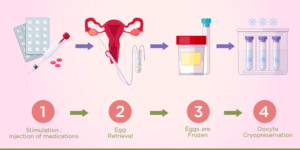
With her fellowship in reproductive medicine (FRM), she can guide ovulation induction with careful monitoring when you are ready for pregnancy, and discuss egg freezing if you are thinking about future fertility. Her gynaecology care also covers bone and hormone health.
Book an appointment at Thanisandra, Sahakar Nagar or HRBR Layout, or call +91 99459 26987.
Frequently asked questions
Can stress alone stop my periods?
Severe or prolonged stress can suppress the brain hormones that control ovulation, but FHA is usually caused by stress combined with under-eating or heavy exercise. Other causes should always be excluded first.
How long does it take for periods to return?
It varies. Many women see periods return within six to twelve months of restoring energy balance and reducing stress, though some take longer.
Can I have hypothalamic amenorrhea at a normal weight?
Yes. Many women with FHA have a normal BMI. What matters is whether you eat enough to cover the energy your body and exercise use.
Will the birth control pill fix hypothalamic amenorrhea?
No. The pill causes a withdrawal bleed but does not restart your own cycle or fix the cause. It can also hide whether your body has recovered.
Can I get pregnant if I have hypothalamic amenorrhea?
Yes. Recovery often restores ovulation naturally, and if not, fertility treatment with gonadotropin injections or pulsatile GnRH is usually very effective.
Medically reviewed by: Dr. Divya Venugopalan, MBBS, DNB (OBG), FRM, FMAS. Gynaecologist & fertility specialist, Bengaluru (KMC Reg. No. 91293). Last reviewed: 27 October 2026.
This article is for general information and does not replace a personal consultation. In an emergency, visit the nearest hospital emergency department.