
ICSI Treatment in Bengaluru for Male-Factor Infertility
Quick answer: ICSI (intracytoplasmic sperm injection) is a form of IVF in which an embryologist injects a single sperm directly into each mature egg. It is used mainly for male-factor infertility, surgically retrieved or frozen sperm, and previous fertilisation failure. Once eggs fertilise, pregnancy rates are similar to standard IVF and depend mostly on the woman’s age.
Key takeaways
- ICSI follows the same steps as IVF, except for how the egg is fertilised in the laboratory.
- Typically about 70–80% of injected mature eggs fertilise, though this varies.
- It allows couples with very low sperm counts, or sperm retrieved surgically, to have a genetically related child.
- ICSI improves fertilisation, not egg quality, so the woman’s age remains the main factor in success.
- It has been used worldwide for over 30 years and is considered safe.
What is ICSI treatment?
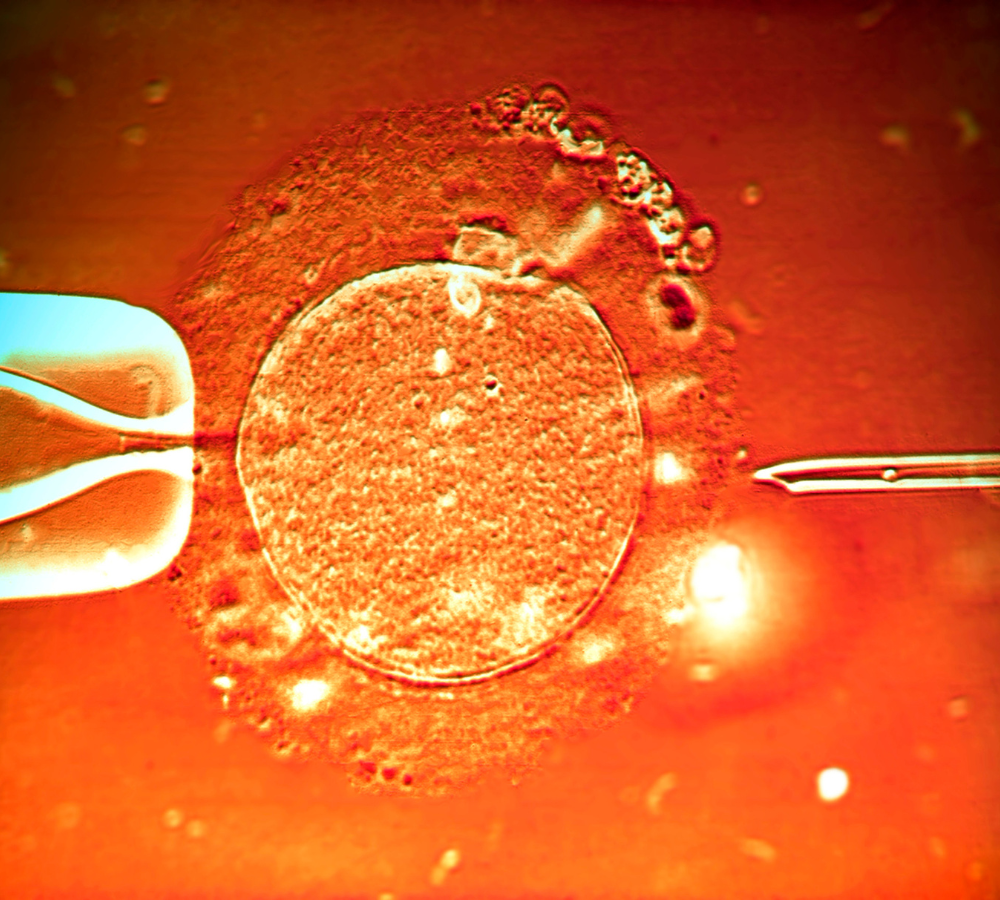
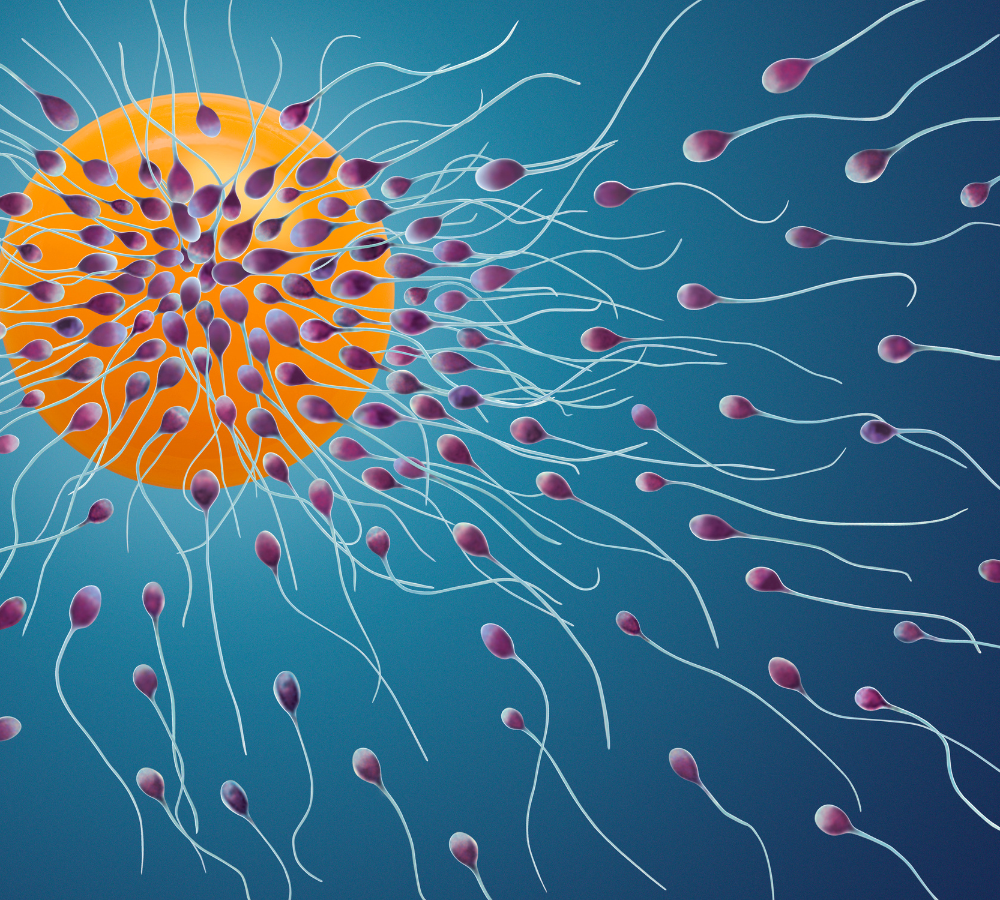
ICSI is a laboratory technique used within an IVF cycle. Instead of placing thousands of sperm around each egg and waiting for one to enter, the embryologist selects a single healthy-looking sperm and injects it into the centre of the egg with a very fine glass needle under a high-powered microscope.
This bypasses problems with sperm number, movement or the sperm’s ability to penetrate the egg’s outer shell.
Who is ICSI recommended for?
- Male-factor infertility: low sperm count (oligozoospermia), poor motility (asthenozoospermia) or abnormal shape (teratozoospermia).
- Azoospermia: no sperm in the ejaculate, when sperm are retrieved surgically from the epididymis or testis (PESA, TESA or micro-TESE).
- Previous failed or poor fertilisation in a conventional IVF cycle.
- Frozen sperm of limited quantity, for example after cancer treatment, or frozen eggs, whose outer shell hardens on freezing.
- Preimplantation genetic testing (PGT), to avoid contamination from extra sperm.
- Very few eggs collected, where maximising fertilisation is important.
For couples with normal semen parameters and no previous fertilisation problems, conventional IVF works just as well, so ICSI is not automatically needed.
What to expect: step by step
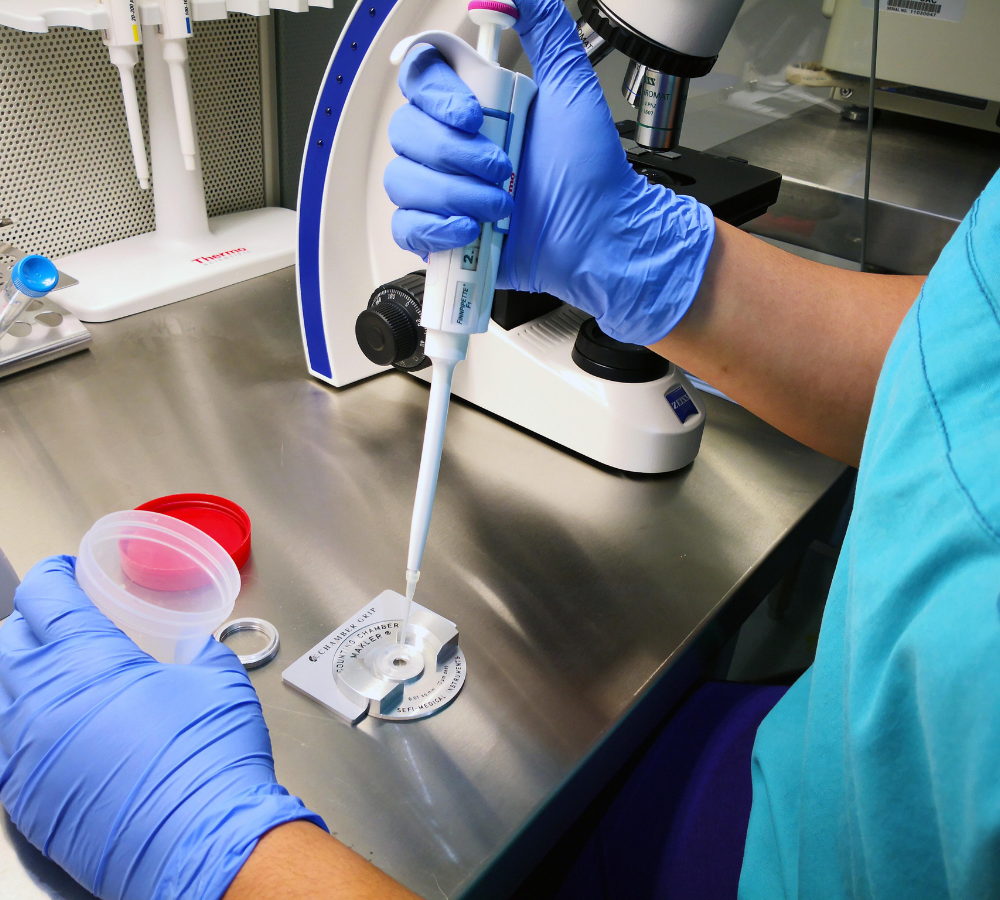
- Assessment of both partners. Semen analysis (repeated if abnormal), and sometimes hormone tests, a genetic test or a urology opinion for the man; ovarian reserve tests and an ultrasound for the woman.
- Ovarian stimulation and monitoring. About 10–12 days of injections with regular scans.
- Egg collection. A short day-care procedure under anaesthesia.
- Sperm collection or retrieval. A fresh sample on the same day, thawed frozen sperm, or surgical sperm retrieval.
- Injection. Each mature egg is injected with a single selected sperm.
- Fertilisation check and culture. Fertilisation is checked the next day, and embryos are grown for three to five days.
- Embryo transfer or freezing. Usually one good-quality embryo is transferred; spare embryos may be frozen.
- Pregnancy test. A beta-hCG blood test about two weeks later.
What is the success rate of ICSI?
ICSI raises the chance that eggs fertilise when sperm are the problem. After that, the chance of pregnancy is similar to conventional IVF and is governed by the same factors.
| Conventional IVF | ICSI | |
|---|---|---|
| How fertilisation happens | Sperm placed around the egg | One sperm injected into each egg |
| Best for | Tubal, ovulatory or unexplained infertility with normal sperm | Male-factor infertility, past fertilisation failure, frozen eggs, PGT |
| Sperm needed | Larger number of motile sperm | Only one healthy sperm per egg |
| Main success factor | Woman’s age and embryo quality | Woman’s age and embryo quality |
Other influences include the cause and severity of the sperm problem, the number of mature eggs, and the health of the uterus.
What are the risks of ICSI?
- The same risks as IVF: medication side effects, OHSS, discomfort after egg collection and, rarely, bleeding or infection.
- Egg damage: a small proportion of eggs may be damaged by the injection.
- Fertilisation failure: uncommon, but possible even with ICSI.
- Inherited male infertility: some genetic causes of severe male infertility (for example Y-chromosome microdeletions) can be passed to sons. Genetic counselling is offered when relevant.
- Small increase in some birth defects reported in some studies, thought to be linked mainly to the underlying male-factor problem rather than the technique.
Recovery and aftercare
Recovery is the same as for IVF. Rest on the day of egg collection and return to normal routines the next day. After embryo transfer, normal activity is fine; continue progesterone as prescribed, avoid smoking and alcohol, and wait for the scheduled blood test. Men who have surgical sperm retrieval may have mild scrotal discomfort for a few days and should avoid heavy lifting briefly.
How much does ICSI cost?
ICSI is an addition to an IVF cycle, so its cost depends on the overall IVF plan, including:
- stimulation medicines and monitoring;
- egg collection, anaesthesia and laboratory charges;
- the ICSI procedure itself;
- surgical sperm retrieval, if required;
- embryo freezing, storage, genetic testing or later frozen transfers.
You will receive an itemised estimate after your initial tests.
When to see a doctor
See a fertility specialist if a semen analysis shows a low count, poor motility or no sperm, if you have had a failed IVF cycle with poor fertilisation, or if you have not conceived after 12 months of trying (6 months if the woman is 35 or older). Men with a history of undescended testes, testicular surgery, mumps orchitis or cancer treatment should seek advice early.
Why choose Dr. Divya Venugopalan
Dr. Divya Venugopalan is a Bengaluru fertility specialist with more than 14 years of experience, an MBBS from KIMS, a DNB in Obstetrics & Gynaecology and a Fellowship in Reproductive Medicine (FRM). She is a member of IFS and ISAR.
She reviews both partners’ results together, explains whether ICSI is really needed or whether conventional IVF is enough, and coordinates with urologists for surgical sperm retrieval when required. Couples wanting to preserve fertility can also consider sperm freezing. Book a consultation at Thanisandra, Sahakar Nagar or HRBR Layout.
Frequently Asked Questions
When is ICSI recommended?
ICSI is recommended for low sperm count, poor motility or abnormal sperm shape, surgically retrieved sperm, frozen eggs, genetic testing of embryos, or when fertilisation failed in a previous IVF cycle.
Is ICSI more successful than IVF?
ICSI improves fertilisation when there is a sperm problem. Once fertilisation happens, pregnancy rates are similar to conventional IVF and depend mainly on the woman’s age and embryo quality.
Is ICSI safe for the baby?
ICSI has been used worldwide for more than 30 years and is considered safe. Your doctor will discuss any small additional risks linked to the underlying male-factor cause.
Can ICSI work if there are no sperm in the semen?
Often, yes. In many men with azoospermia, sperm can be retrieved surgically from the epididymis or testis and used for ICSI. Whether this is possible depends on the cause.
Does ICSI increase the chance of twins?
No. The chance of twins depends on how many embryos are transferred, not on ICSI. Transferring a single embryo keeps the risk of multiple pregnancy low.
Medically reviewed by: Dr. Divya Venugopalan, MBBS, DNB (OBG), FRM, FMAS. Gynaecologist & fertility specialist, Bengaluru (KMC Reg. No. 91293). Last reviewed: 27 October 2026.
This page is for general information and does not replace a personal consultation. In an emergency, visit the nearest hospital emergency department.
Book a consultation with Dr. Divya → or call +91 99459 26987.