
Adenomyosis Treatment in Bengaluru
Quick answer: Adenomyosis treatment in Bengaluru focuses on easing painful, heavy periods while respecting your fertility plans. Most women are treated with pain relief, tranexamic acid or hormonal options such as the levonorgestrel IUS or dienogest. Surgery is considered when medicines fail; hysterectomy is the only permanent cure and suits women who have completed their family.
Key takeaways
- Adenomyosis is a benign condition where the womb lining grows into the muscle wall of the uterus.
- It typically causes heavy, painful periods and an enlarged, tender uterus.
- It is diagnosed mainly by transvaginal ultrasound or MRI.
- Hormonal treatment controls symptoms for many women without surgery.
- Adenomyosis can lower IVF success, so fertility plans should be discussed early.
What is adenomyosis?
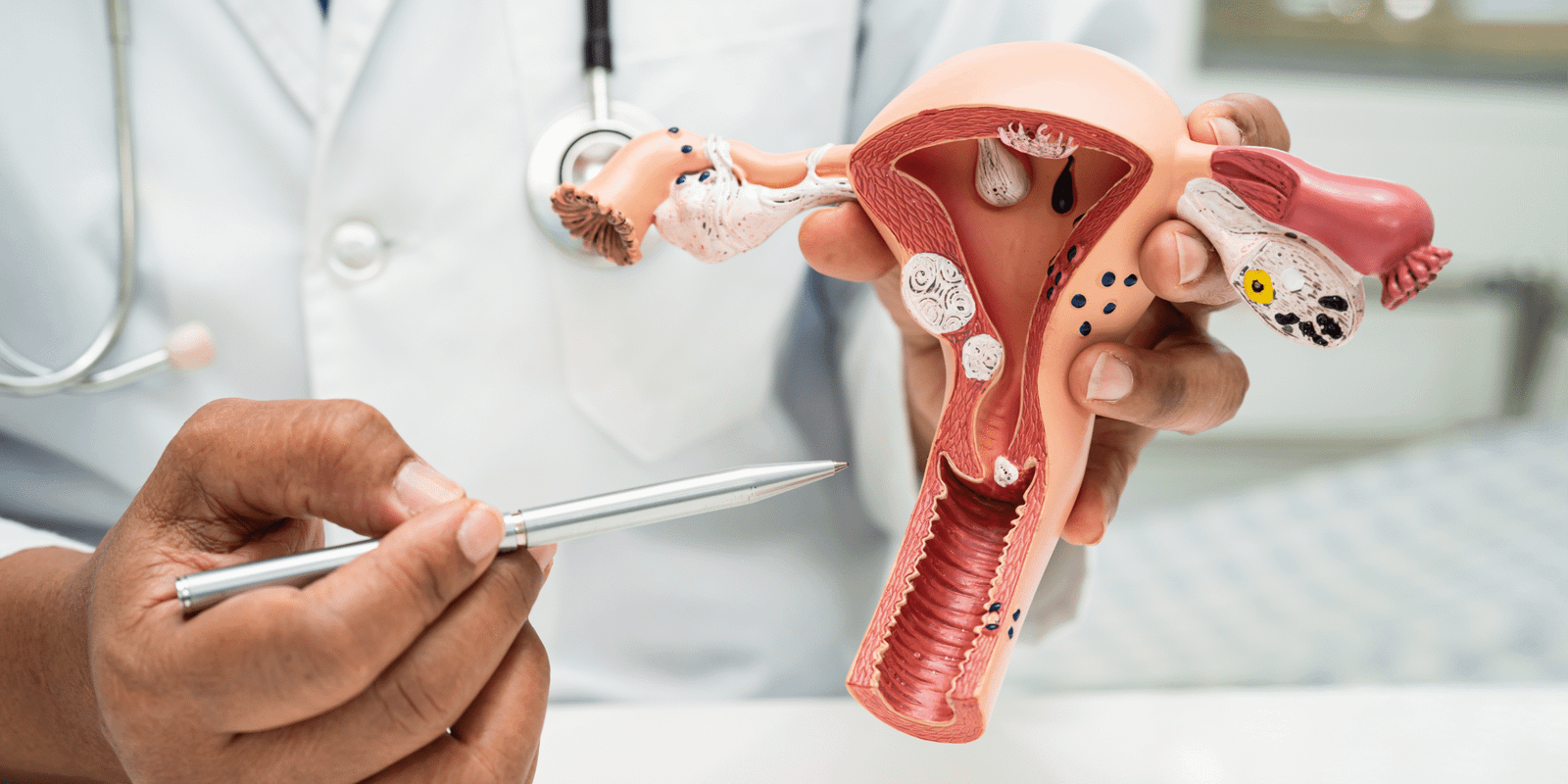
Adenomyosis is a condition in which tissue from the inner lining of the uterus (endometrium) grows into the muscular wall (myometrium). Each month this tissue swells and bleeds within the muscle, making the uterus bulky and painful.
It may be diffuse, spread through the wall, or focal, forming a lump called an adenomyoma that can look like a fibroid. Adenomyosis is most often diagnosed in women in their 30s and 40s, especially after childbirth, and frequently occurs alongside endometriosis or fibroids.
Common symptoms
- Severe, worsening period cramps
- Heavy or prolonged menstrual bleeding, often with clots
- Chronic pelvic pain or pressure
- Pain during intercourse
- Fatigue from iron-deficiency anaemia
- Some women have no symptoms at all
Who needs adenomyosis treatment?
Treatment is recommended when heavy bleeding or pain affects your daily life, causes anaemia, or when adenomyosis may be reducing your chances of pregnancy.
If adenomyosis is found incidentally on a scan and you have no symptoms, no treatment is needed. Because symptoms settle after menopause, women nearing menopause can often manage with medicines until then.
What are the treatment options for adenomyosis?
Treatment is chosen according to the severity of symptoms, age and whether you want a pregnancy.
| Option | How it helps | Fertility |
|---|---|---|
| NSAIDs (e.g. mefenamic acid) | Reduce cramps and some bleeding | Preserved |
| Tranexamic acid | Reduces bleeding on heavy days | Preserved |
| Levonorgestrel IUS (hormonal coil) | Thins the lining; reduces bleeding and pain for up to 5–8 years | Returns after removal |
| Dienogest or other progestins; combined pill | Suppress periods and pain | Returns after stopping |
| GnRH analogues | Shrink the uterus temporarily, e.g. before IVF or surgery | Temporary |
| Adenomyomectomy (selected focal cases) | Removes a localised adenomyoma | Preserved, with pregnancy risks to discuss |
| Hysterectomy | Permanent cure | Ends fertility |
What to expect: step by step
- Consultation: Dr. Divya discusses your periods, pain, bleeding pattern and pregnancy plans.
- Examination and ultrasound: a transvaginal scan looks for a bulky uterus, thickened walls, small cysts in the muscle and a blurred junction between lining and muscle.
- MRI (if needed): helps distinguish adenomyosis from fibroids and plan surgery.
- Blood tests: haemoglobin and iron levels; fertility tests if relevant.
- Treatment: medicines are started, or an IUS is inserted in the clinic in a few minutes.
- Review: follow-up at 3 months to check symptoms; the plan is adjusted if needed.
What results can you realistically expect?
Most women experience meaningful reduction in bleeding and pain with medical treatment, although results vary.
The hormonal IUS improves heavy bleeding in a majority of users, with full benefit after 3–6 months; irregular spotting is common at first. Dienogest often reduces pain substantially. Symptoms tend to return when medicines are stopped. For women trying to conceive, adenomyosis is associated with lower implantation rates and a higher miscarriage risk, which is why some IVF plans include a few months of GnRH suppression before embryo transfer.
What are the risks and side effects?
- Hormonal treatment: irregular spotting, bloating, mood changes, acne or breast tenderness.
- GnRH analogues: hot flushes and bone loss with prolonged use, so courses are kept short or combined with add-back therapy.
- Surgery: bleeding, infection, injury to nearby organs and anaesthetic risks; after adenomyomectomy there is a risk of uterine rupture in a later pregnancy.
Recovery and aftercare
IUS insertion takes a few minutes and most women resume normal activity the same day. Recovery from laparoscopic hysterectomy usually means a 1–2 day hospital stay and 2–4 weeks before returning to desk work, avoiding heavy lifting for about 6 weeks. Whatever the treatment, correcting anaemia with iron, regular exercise and keeping a symptom diary help track progress.
What does adenomyosis treatment cost in Bengaluru?
The cost depends on the treatment path you choose, including:
- consultation, ultrasound, MRI and blood tests;
- the type and duration of medicines or the IUS device;
- for surgery: the procedure, hospital room category, anaesthesia and length of stay;
- insurance coverage.
Our team will explain the expected costs once your plan is clear.
When to see a doctor
Book a visit if your periods are heavy enough to flood through clothes, last more than 7 days, cause pain that painkillers do not control, or leave you exhausted. Seek urgent care for very heavy bleeding with dizziness or fainting.
Why choose Dr. Divya Venugopalan?
Dr. Divya Venugopalan is a gynaecologist with more than 14 years of experience, an MBBS from KIMS, a DNB in Obstetrics and Gynaecology, a Fellowship in Reproductive Medicine (FRM) and a Fellowship in Minimal Access Surgery (FMAS). She can manage adenomyosis medically, plan laparoscopic surgery where appropriate, and coordinate care with IVF when fertility is the priority.
She consults in six languages at Thanisandra, Sahakar Nagar and HRBR Layout. Book a consultation to talk through your options.
Frequently Asked Questions
What is the difference between adenomyosis and endometriosis?
In adenomyosis, endometrial-like tissue grows into the muscle wall of the uterus. In endometriosis, it grows outside the uterus, on the ovaries, tubes or pelvic lining. Both cause painful periods, and many women have both conditions.
Can adenomyosis be cured without hysterectomy?
Medicines and the hormonal IUS control symptoms well for many women, but they do not remove the condition. Hysterectomy is the only permanent cure. Symptoms usually settle naturally after menopause.
Can I get pregnant with adenomyosis?
Yes, many women with adenomyosis conceive. It can reduce implantation and increase miscarriage risk, so fertility treatment may be tailored, for example with a short course of GnRH treatment before embryo transfer in IVF.
How is adenomyosis diagnosed?
A transvaginal ultrasound by an experienced sonologist detects most cases. MRI gives more detail when the picture is unclear or surgery is planned. A definite tissue diagnosis is only possible after surgery.
Is adenomyosis cancerous?
No. Adenomyosis is a benign condition. However, abnormal bleeding should always be assessed, especially after 40 or after menopause, to rule out other causes.
Does the hormonal IUS help adenomyosis?
Yes. The levonorgestrel IUS is one of the most effective first-line treatments for heavy, painful periods from adenomyosis. It works for up to five to eight years and fertility returns once it is removed.
Medically reviewed by: Dr. Divya Venugopalan, MBBS, DNB (OBG), FRM, FMAS. Gynaecologist & fertility specialist, Bengaluru (KMC Reg. No. 91293). Last reviewed: 27 October 2026.
This page is for general information and does not replace a personal consultation. In an emergency, visit the nearest hospital emergency department.
Book a consultation with Dr. Divya → or call +91 99459 26987 (Mon–Sat, 10 AM–1 PM and 3–8 PM).