
Quick answer: Painful periods treatment starts with NSAIDs such as mefenamic acid or naproxen, taken at the first sign of pain or a day before, plus heat and regular exercise. If that fails, hormonal options such as the combined pill or hormonal IUS help most women. Pain that persists or worsens may signal endometriosis, adenomyosis or fibroids and needs assessment.
Key takeaways
- Period pain (dysmenorrhoea, also spelt dysmenorrhea) is caused mainly by prostaglandins that make the uterus contract strongly.
- NSAIDs work best when started early and taken regularly through the first two to three days.
- Hormonal treatment helps most women whose pain is not controlled by NSAIDs.
- Pain that starts later in life, worsens over time or comes with other symptoms suggests an underlying cause.
- A written flare-up plan helps you manage severe days and know when to seek urgent help.
What causes painful periods?
Most period pain is caused by prostaglandins, chemicals released by the womb lining before and during a period that make the uterine muscle contract and reduce its blood flow.
Higher prostaglandin levels mean stronger, more painful contractions, and they can also cause nausea, diarrhoea, headache and dizziness. There are two types of dysmenorrhoea:
- Primary dysmenorrhoea: pain without an underlying disease, usually starting within a year or two of the first period and often improving with age.
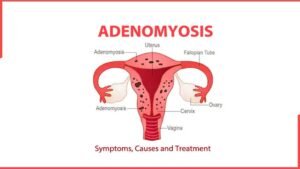
- Secondary dysmenorrhoea: pain caused by a condition such as endometriosis, adenomyosis, fibroids or pelvic infection. It often starts later or gets worse over time.
How should I take painkillers for period pain?
NSAIDs are the most effective first treatment because they block prostaglandin production. How you take them matters as much as which one.
- Start at the first sign of pain or bleeding, or the day before if your periods are predictable.
- Take them regularly, with food, for the first two to three days rather than waiting for pain to peak.
- Common choices include mefenamic acid, naproxen and ibuprofen. If one does not work after two or three cycles, another may.
- Avoid NSAIDs if you have stomach ulcers, kidney disease, certain types of asthma or are pregnant, and check with your doctor if unsure.
Paracetamol helps a little and can be combined with an NSAID. Antispasmodics are sometimes added.
What non-medicine treatments help period pain?
Several simple measures reduce pain and can be combined with medicines.
- Heat: a hot water bag or heat patch on the lower abdomen is as effective as some painkillers for many women.
- Exercise: regular activity such as walking, yoga or swimming reduces period pain over time.
- TENS: a small device that delivers mild electrical pulses through the skin can ease cramps.
- Sleep and stress: poor sleep and stress lower pain tolerance.
- Diet: evidence is limited, but a balanced diet and avoiding smoking are sensible.
What are the hormonal treatment options?
Hormonal treatments reduce or stop the lining building up, which lowers prostaglandins and pain. They help most women whose pain is not controlled by NSAIDs.
| Option | How it helps | Good to know |
|---|---|---|
| Combined oral contraceptive pill | Thinner lining, lighter and less painful periods | Can be taken continuously to skip periods |
| Hormonal IUS (LNG-IUS) | Local progestogen; lighter periods | Lasts several years; spotting early on |
| Progestogen-only pill or dienogest | Suppresses the lining | Useful if oestrogen is unsuitable |
| Contraceptive injection or implant | Often stops or reduces periods | Irregular bleeding is possible |
If you want to get pregnant, hormonal options are paused and other approaches are used.
How do I manage a severe period pain flare-up?
Severe flare-ups, often with nausea, sweating and inability to stand straight, are common with endometriosis and adenomyosis. A plan agreed with your doctor helps you act quickly.
- Take your prescribed NSAID as soon as pain begins, and repeat on schedule.
- Apply heat and lie in a comfortable position, such as on your side with knees drawn up.
- Use slow, deep breathing to relax the pelvic floor muscles, which often spasm during severe cramps.
- Take an anti-nausea medicine if your doctor has prescribed one, and keep sipping fluids.
- Note the time, pain score and what helped, to discuss at your next visit.
Repeated flares mean your baseline treatment needs review. Persistent pelvic pain between periods is covered in chronic pelvic pain from endometriosis.
When are painful periods a sign of something else?
Period pain may be secondary to another condition when it has certain features.
- Pain that started after years of comfortable periods, or is getting worse
- Pain not relieved by NSAIDs and the pill
- Pain between periods, during sex or with bowel movements or urination: possible endometriosis
- Very heavy periods with a bulky uterus: possible adenomyosis; see adenomyosis symptoms and treatment
- Fever or abnormal discharge: possible pelvic infection
How these conditions change the monthly cycle is explained in how endometriosis affects the menstrual cycle.
When to see a gynaecologist
Period pain is common, but it should not stop you from living your life. See a gynaecologist if:
- You regularly miss school, college or work because of period pain
- Painkillers taken correctly do not help
- Pain is getting worse each year or started recently
- You have pain between periods, with sex, or with bowel movements or urination
- Periods are very heavy or you bleed between periods
Seek emergency care for sudden, severe pelvic pain with fever, fainting, vomiting, or if you could be pregnant.
How Dr. Divya Venugopalan can help
Dr. Divya Venugopalan helps women and teenagers find effective relief for painful periods, starting with how to use simple treatments well and checking carefully for underlying causes. Learn about her gynaecology care and adolescent health consultations.
If endometriosis, adenomyosis or fibroids are suspected, she arranges targeted ultrasound and discusses medical or laparoscopic treatment, drawing on her FMAS training, with fertility plans in mind thanks to her FRM.
Book an appointment at Thanisandra, Sahakar Nagar or HRBR Layout, or call +91 99459 26987.
Frequently asked questions
Is severe period pain normal?
Mild cramps are common, but pain that stops you from doing everyday activities is not something you should simply put up with. It can usually be treated, and sometimes points to an underlying condition.
Which painkiller is best for period pain?
NSAIDs such as mefenamic acid, naproxen or ibuprofen work best because they reduce prostaglandins. Start them early and take them regularly for the first two to three days.
Can the pill help painful periods?
Yes. The combined pill makes periods lighter and less painful for most women, and can be taken continuously to skip periods.
Does period pain get better after having a baby?
Primary period pain often improves with age and after childbirth. Pain caused by endometriosis or adenomyosis may not.
When is period pain an emergency?
Sudden severe pain with fever, fainting, heavy bleeding or vomiting, or pain when you could be pregnant, needs urgent medical attention.
Medically reviewed by: Dr. Divya Venugopalan, MBBS, DNB (OBG), FRM, FMAS. Gynaecologist & fertility specialist, Bengaluru (KMC Reg. No. 91293). Last reviewed: 27 October 2026.
This article is for general information and does not replace a personal consultation. In an emergency, visit the nearest hospital emergency department.