Quick answer: Period issues are any change from your usual cycle: periods that are irregular, very heavy, very painful, missing, or bleeding between periods. A normal cycle lasts 21 to 35 days with two to seven days of bleeding. Most period problems are treatable once a gynaecologist finds the cause.
Key takeaways
- A typical cycle is 21 to 35 days long, with bleeding for up to seven days and a blood loss of less than about 80 ml.
- The six most common period issues are irregular, heavy, painful or missed periods, spotting between periods and severe PMS.
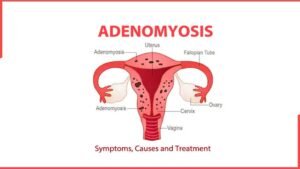
- Hormones (PCOS, thyroid, prolactin), uterine conditions (fibroids, polyps, adenomyosis, endometriosis), stress and weight change cause most problems.
- What counts as normal changes with age: teenagers and women nearing menopause often have irregular cycles.
- Soaking a pad every hour, bleeding after menopause or fainting needs prompt medical care.
What counts as a normal period?
A normal period comes every 21 to 35 days, lasts two to seven days and does not stop you from going about your day. Your own pattern matters more than any textbook number, so a change from what is usual for you is often the first sign of a period issue.
The cycle is controlled by the brain, the ovaries and the lining of the uterus. Oestrogen thickens the lining, progesterone prepares it after ovulation, and when no pregnancy happens the lining sheds as your period. Anything that disturbs this chain, from a thyroid problem to a fibroid, can change your bleeding.
| Feature | Usually normal | Worth checking |
|---|---|---|
| Cycle length | 21 to 35 days | Shorter than 21 or longer than 35 days |
| Variation month to month | Up to 7 to 9 days | Changes of more than 9 days |
| Days of bleeding | 2 to 7 days | More than 7 days |
| Flow | Pad or cup changed every 3 to 4 hours | Soaking through every 1 to 2 hours, clots larger than a coin |
| Pain | Mild cramps, eased by simple painkillers | Pain that keeps you in bed or from work or college |
What are the most common period issues?
Most period problems fall into six groups. Many women have more than one at the same time, for example heavy and painful periods together.
1. Irregular periods
Cycles that keep changing in length, or periods that arrive less often than every 35 days. PCOS and thyroid disorders are frequent causes. Read our detailed guide to irregular periods: causes and treatment.
2. Heavy periods
Bleeding that soaks through protection every hour or two, lasts more than seven days, or leaves you tired and breathless. Over time it can cause iron-deficiency anaemia. See heavy periods: causes and treatment.
3. Painful periods (dysmenorrhoea)
Some cramping is common, but pain that needs strong painkillers or keeps you at home may point to endometriosis or adenomyosis. Our article on problems during menstruation covers pain, PMS and self-care in detail.
4. Missed or absent periods (amenorrhoea)
No period for three months in someone who previously had regular cycles, or no first period by age 15. Pregnancy must always be ruled out first.
5. Spotting between periods
Light bleeding outside your period can be hormonal, but it can also come from polyps, infection or cervical changes. Learn more about spotting between periods.
6. Severe PMS or PMDD
Mood swings, bloating, breast tenderness and irritability in the week before a period. When symptoms disrupt work or relationships, treatment helps.
What causes period issues?
Period issues are usually caused by a hormone imbalance, a change in the uterus, or a lifestyle factor that affects ovulation. For a closer look at each type and cause, read female menses problem: types and causes of menstrual disorders.
- Hormonal: polycystic ovary syndrome (PCOS), underactive or overactive thyroid, high prolactin.
- Structural: fibroids, endometrial or cervical polyps, adenomyosis, endometriosis.
- Lifestyle: stress, rapid weight gain or loss, under-eating, very intense exercise, night shifts.
- Medicines and contraception: hormonal pills, implants, injections, copper IUDs, blood thinners.
- Pregnancy-related: early pregnancy, miscarriage or ectopic pregnancy.
- Less common: bleeding disorders, premature ovarian insufficiency and, rarely, cancer of the uterus or cervix.
How do period issues change with age?
The same symptom can mean different things at different ages, so doctors always consider life stage.
- Teenage years: cycles are often irregular for the first two to three years after the first period while the hormone system matures. See irregular periods in teenagers.
- 20s and 30s: PCOS, thyroid disorders, stress and contraception changes are common causes. A sudden change deserves a check, especially if you are planning a pregnancy.
- 40s (perimenopause): cycles may become shorter, longer or heavier as ovulation becomes less regular. Heavy or irregular bleeding still needs assessment to rule out polyps, fibroids or thickening of the lining.
- After menopause: any bleeding after 12 months without a period is not normal and must be checked.
How are period issues diagnosed?
Diagnosis starts with a conversation about your cycle and usually needs only simple tests. Keeping a period diary or app record for two or three months makes the visit far more useful.
- History and examination: cycle length, flow, pain, weight change, medicines and pregnancy plans.
- Pregnancy test when a period is late or bleeding is unusual.
- Blood tests: haemoglobin and ferritin, thyroid (TSH), prolactin and, where needed, reproductive hormones.
- Pelvic ultrasound, preferably transvaginal, to look at the uterus, lining and ovaries.
- Further tests if required: Pap smear or HPV test, endometrial sampling or a hysteroscopy to look inside the uterus.
Can period issues be managed at home?
Healthy habits ease mild symptoms but do not replace a diagnosis when symptoms are new or severe.
- Keep a stable, healthy weight and eat regular meals with enough protein, iron and calcium.
- Exercise most days, but avoid sudden large increases in training.
- Sleep seven to eight hours and build in ways to manage stress.
- Use a heat pad and an anti-inflammatory painkiller (if safe for you) for cramps.
- Track your cycle so changes are spotted early.
When to see a gynaecologist
See a gynaecologist if a period issue is new, getting worse or affecting daily life. Seek urgent care for the red flags below.
- Soaking a pad or tampon every hour for several hours, or passing large clots.
- Feeling faint, dizzy or breathless during a period.
- Severe pelvic pain, especially with a positive pregnancy test or fever.
- Bleeding after sex, between periods, or after menopause.
- No period for three months (not pregnant), or no first period by 15.
- Trouble getting pregnant after 12 months of trying, or 6 months if you are over 35.
How Dr. Divya Venugopalan can help
Dr. Divya Venugopalan is a gynaecologist and fertility specialist in North Bengaluru with more than 14 years of experience. She looks for the cause behind a period issue rather than only masking symptoms, and she explains every option so you can choose what suits your life and future pregnancy plans.
Depending on the cause, care may range from lifestyle and medical treatment to minimally invasive procedures. As an FMAS-trained surgeon she offers hysteroscopy for polyps and other problems inside the uterus, and her gynaecology care covers heavy menstrual bleeding, fibroids and endometriosis. With an FRM in reproductive medicine, she also supports women whose period issues affect fertility.
She consults at Thanisandra, Sahakar Nagar and HRBR Layout. Book an appointment or call +91 99459 26987.
Frequently asked questions
Is it normal for my period to come a few days early or late?
Yes. A shift of a few days from month to month is normal, and variation of up to 7 to 9 days can still be within the normal range. Bigger or persistent changes are worth discussing with a gynaecologist.
Can stress cause period issues?
Yes. Stress affects the hypothalamus, the part of the brain that controls ovulation, and can delay or stop periods. If periods stay irregular for more than three months, see a doctor to rule out other causes such as thyroid problems or PCOS.
How do I know if my periods are too heavy?
Periods are probably too heavy if you change protection every one to two hours, pass clots larger than a coin, bleed for more than seven days or feel tired and breathless. A simple blood test can check for anaemia.
Do period issues affect fertility?
Some do. Irregular or absent periods often mean you are not ovulating regularly, and conditions such as endometriosis or fibroids can affect conception. Most of these causes are treatable.
Should I see a doctor for one missed period?
Take a pregnancy test first. If it is negative and you feel well, it is reasonable to wait for the next cycle. See a doctor if you miss three periods in a row or have pain, heavy bleeding or other symptoms.
Medically reviewed by: Dr. Divya Venugopalan, MBBS, DNB (OBG), FRM, FMAS. Gynaecologist & fertility specialist, Bengaluru (KMC Reg. No. 91293). Last reviewed: 27 October 2026.
This article is for general information and does not replace a personal consultation. In an emergency, visit the nearest hospital emergency department.