
IUI Treatment in Bengaluru: Process, Success Rates and Aftercare
Quick answer: IUI (intrauterine insemination) is a simple fertility treatment in which washed, concentrated sperm is placed directly inside the uterus around the time of ovulation. It takes a few minutes, is usually painless and needs no anaesthesia. Success is typically 10–20% per cycle, depending mainly on the woman’s age, the cause of infertility and sperm quality.
Key takeaways
- IUI places prepared sperm high in the uterus, closer to the egg, on the day of ovulation.
- It suits mild male-factor infertility, ovulation problems such as PCOS, cervical factors and unexplained infertility, provided at least one fallopian tube is open.
- Most women have the procedure with tablets or low-dose injections and ultrasound monitoring.
- Most IUI pregnancies happen within the first three to four cycles; after that, IVF is usually discussed.
- The main risks are multiple pregnancy and, rarely, ovarian over-response, both reduced by careful scanning.
What is IUI treatment?
IUI is a form of assisted conception in which a semen sample is “washed” in the laboratory to separate the most active sperm, and then placed directly into the uterus through a thin, soft catheter.
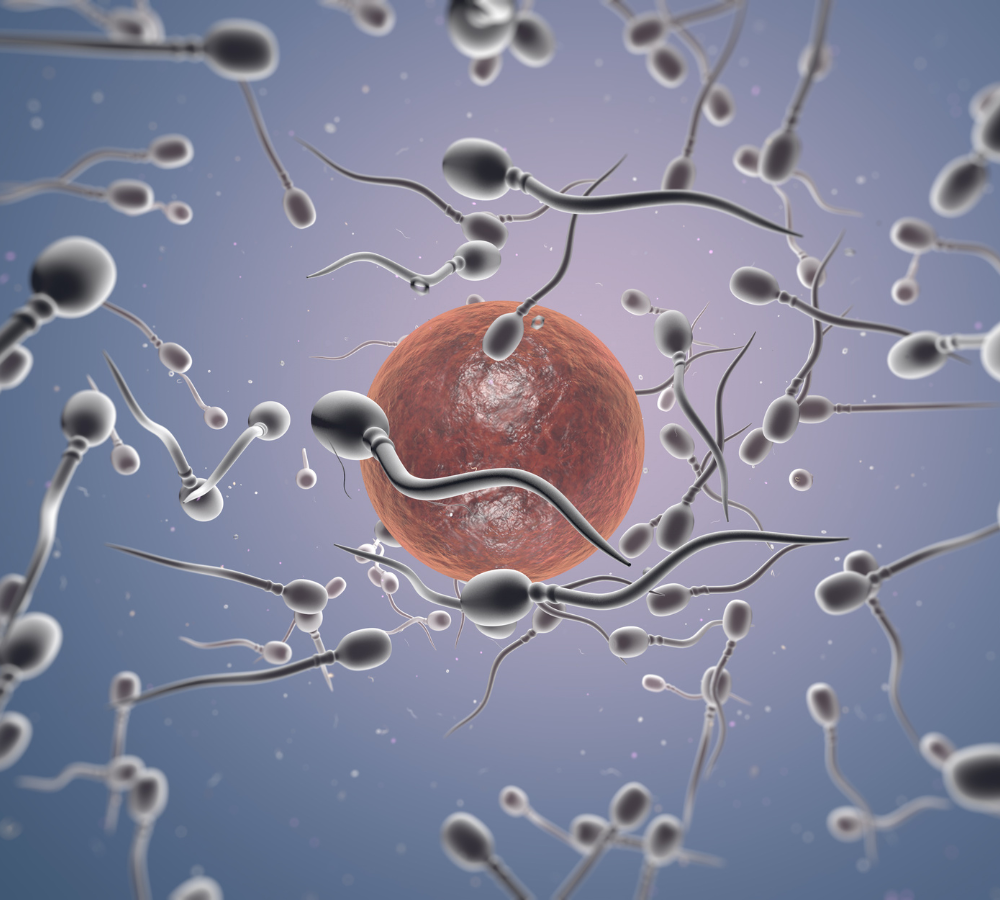
In natural conception, only a small fraction of sperm travel through the cervix and uterus to reach the egg in the fallopian tube. IUI shortens that journey and increases the number of healthy sperm near the egg at the right time. Fertilisation still happens naturally inside the body, which is the main difference from IVF.
Who is IUI treatment suitable for?
IUI is a good first step for couples whose tubes are open and whose sperm count is reasonable after washing. Dr. Divya may suggest it for:
- Ovulation problems, such as PCOS, combined with ovulation induction.
- Mild male-factor infertility: slightly low sperm count or motility.
- Unexplained infertility, usually after one to two years of trying.
- Cervical factors or difficulty with intercourse (for example vaginismus or erectile problems).
- Mild endometriosis with open tubes.
- Donor sperm or previously frozen sperm.
IUI is usually not advised when both tubes are blocked, when the sperm count is very low, or when ovarian reserve is very poor. In these situations IVF or ICSI gives a better chance. A tubal patency test and a semen analysis are therefore done before starting.
What to expect: step by step
- Consultation and tests. Medical history, pelvic ultrasound, hormone tests (such as AMH and thyroid), a tubal test for the woman and a semen analysis for the man.
- Ovarian stimulation (in most cycles). Tablets such as letrozole or clomiphene, or low-dose injections, from day 2–3 of the period for about five days or more.
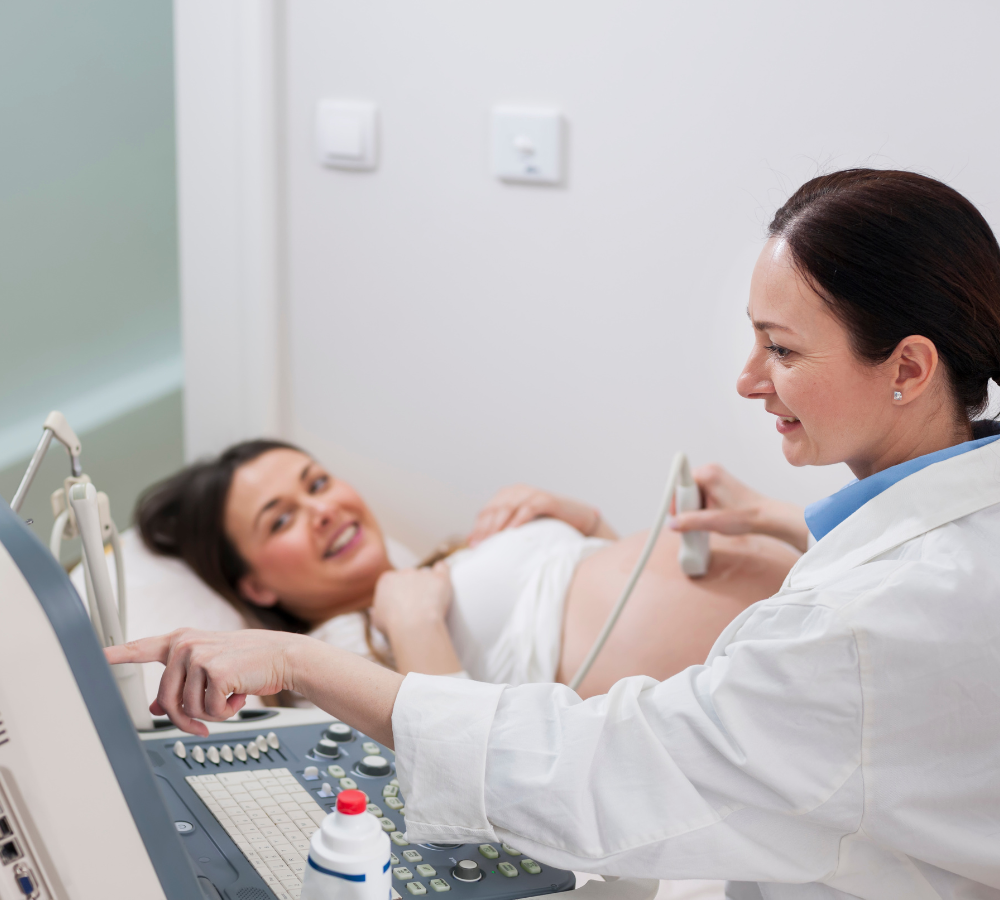
- Follicle monitoring. Two to four transvaginal scans track the growing follicles and the lining of the uterus.
- Trigger injection. When a follicle is mature (usually 18–20 mm), a trigger injection is given to time ovulation.
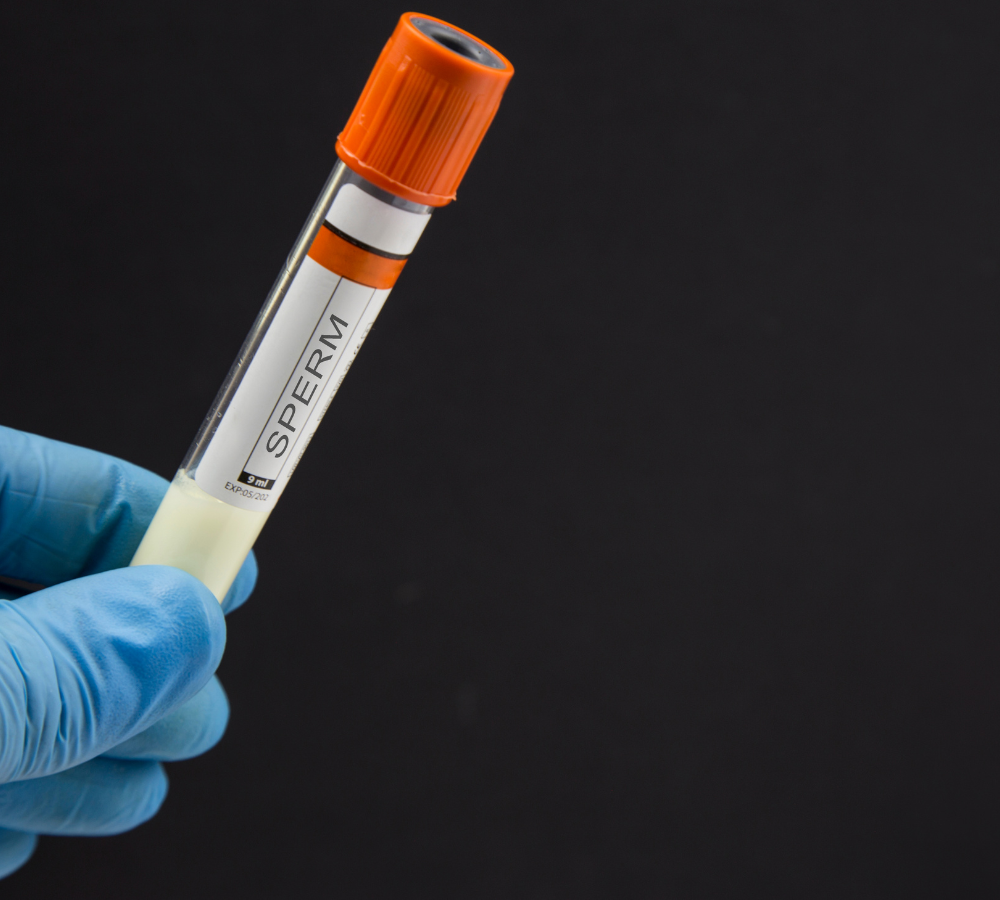
- Semen collection and washing. About 34–36 hours after the trigger, the partner gives a fresh sample (or frozen/donor sperm is thawed). Washing takes roughly one to two hours.
- Insemination. A speculum is placed, as in a Pap smear, and the sperm is gently passed into the uterus. This takes a few minutes.
- Luteal support and pregnancy test. Progesterone may be prescribed. A urine or blood pregnancy test is done about 14 days later.
What is the success rate of IUI?
For most couples the chance of pregnancy is around 10–20% per cycle. The figure is higher in younger women with ovulation problems and lower with age or poorer sperm quality.
| Factor | How it affects IUI success |
|---|---|
| Woman’s age | Best under 35; falls noticeably after 38–40 |
| Cause of infertility | Ovulation problems respond best; endometriosis and unexplained infertility respond less well |
| Sperm after washing | Better results with a good total motile sperm count |
| Stimulation | Stimulated cycles generally do better than natural cycles |
| Number of cycles | Most pregnancies occur in the first 3–4 cycles |
Honest counselling matters here. If IUI is unlikely to work for you, Dr. Divya will say so and discuss moving on rather than repeating cycles.
What are the risks and side effects of IUI?
IUI is one of the safest fertility treatments. Possible issues include:
- Mild cramping or spotting on the day of the procedure.
- Medication side effects such as hot flushes, bloating, headaches or mood changes.
- Multiple pregnancy (twins or more) if several follicles grow. Cycles may be cancelled or converted if too many follicles develop.
- Ovarian hyperstimulation syndrome (OHSS), which is rare with the low doses used for IUI.
- Infection, which is very uncommon because the procedure is done with sterile technique.
Recovery and aftercare after IUI
There is no real recovery period. You can rest for a few minutes and then go home or back to work. Normal activities, light exercise and intercourse are fine unless advised otherwise. Take any prescribed progesterone, avoid smoking and alcohol, continue folic acid, and wait for the scheduled test rather than testing early, because the trigger injection can give a false positive.
How much does IUI cost?
The cost of IUI varies from couple to couple. It depends on:
- whether tablets or injections are used for stimulation, and the dose needed;
- the number of follicle-monitoring scans;
- the semen preparation, and whether frozen or donor sperm is used;
- preliminary tests such as hormone profile, tubal testing and semen analysis;
- the number of cycles attempted.
You will receive a clear estimate after your first consultation, before treatment begins.
When to see a doctor
See a fertility specialist if you are under 35 and have not conceived after 12 months of regular unprotected intercourse, or after 6 months if you are 35 or older. Seek earlier help for irregular or absent periods, known PCOS or endometriosis, previous pelvic infection or surgery, or a known sperm problem. After IUI, contact your doctor promptly for fever, severe abdominal pain, heavy bleeding, or marked bloating with breathlessness.
Why choose Dr. Divya Venugopalan
Dr. Divya Venugopalan is a gynaecologist and fertility specialist in North Bengaluru with more than 14 years of experience. She holds an MBBS from KIMS, Bengaluru, a DNB in Obstetrics & Gynaecology and a Fellowship in Reproductive Medicine (FRM), and is a member of IFS, ISAR and the PCOS Society.
She plans each IUI cycle individually, uses careful ultrasound monitoring to keep the risk of twins low, and tells you openly when IVF may be the better option. Consultations are available in English, Hindi, Kannada, Malayalam, Tamil and Telugu at Thanisandra, Sahakar Nagar and HRBR Layout. Book a consultation to discuss whether IUI is right for you.
Frequently Asked Questions
Who is a good candidate for IUI?
Couples with ovulation problems such as PCOS, mild male-factor infertility, cervical factors or unexplained infertility are good candidates, provided at least one fallopian tube is open and the sperm count is adequate after washing.
What is the success rate of IUI?
Success is typically around 10–20% per cycle, depending on the woman’s age, the cause of infertility and sperm quality. Most pregnancies happen within the first three to four cycles, after which IVF is usually discussed.
Is IUI painful?
IUI is usually painless and feels similar to a Pap smear. It takes a few minutes, needs no anaesthesia, and you can return to normal activities the same day.
How many IUI cycles should I try?
Most specialists recommend three to four cycles if the woman is under 35 and tests are otherwise normal. Fewer cycles may be advised for women over 38 or when there are additional fertility factors.
Should I rest in bed after IUI?
No. Lying down for a few minutes is enough, and prolonged bed rest does not improve success. You can resume normal daily activities straight away.
When can I take a pregnancy test after IUI?
Take a pregnancy test about 14 days after IUI. Testing earlier can give a false positive result because of the trigger injection.
Medically reviewed by: Dr. Divya Venugopalan, MBBS, DNB (OBG), FRM, FMAS. Gynaecologist & fertility specialist, Bengaluru (KMC Reg. No. 91293). Last reviewed: 27 October 2026.
This page is for general information and does not replace a personal consultation. In an emergency, visit the nearest hospital emergency department.
Book a consultation with Dr. Divya → or call +91 99459 26987.