Why Regular Gynaecology Check-ups Matter at Every Age
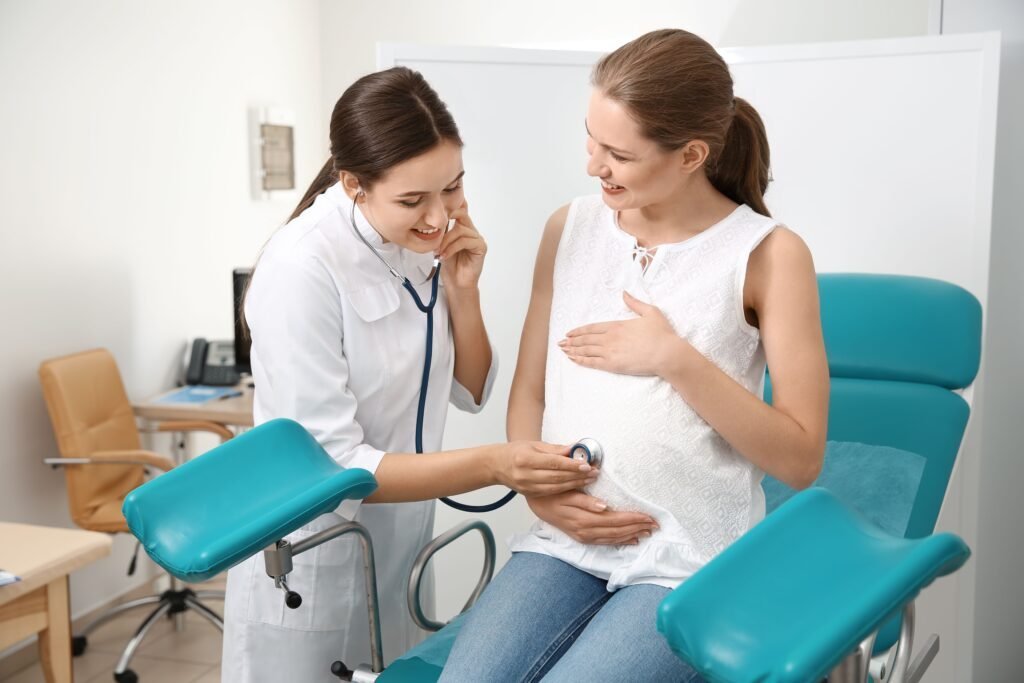
Regular gynaecology check-ups matter because many serious conditions, including cervical precancer, ovarian cysts, fibroids, anaemia and early breast changes, cause few or no symptoms at first. A yearly visit lets your gynaecologist screen for these early, keep vaccines and contraception up to date, and address period, fertility or menopause concerns before they become bigger problems.
Problem During Menstruation: Symptoms, Relief and When to Seek Help

The most common problem during menstruation is period pain, followed by PMS, heavy flow, tiredness, headaches and bowel upset. Mild symptoms usually ease with heat, exercise and anti-inflammatory painkillers. See a gynaecologist if pain stops you from working or studying, bleeding is very heavy, or symptoms are getting worse each month.
PCOS Diet After Pregnancy: A Practical Plan for New Mothers

A good PCOS diet after pregnancy gives you enough energy to recover and breastfeed while keeping blood sugar steady. Eat regular meals built on dals, eggs or paneer, vegetables, millets or whole grains and healthy fats; keep traditional sweets small; and continue iron and calcium. Aim for slow weight loss of about half a kilo a week.
How Endometriosis Affects the Menstrual Cycle

Quick answer: Endometriosis affects the menstrual cycle mainly through pain: deposits outside the uterus respond to monthly hormones, causing inflammation that brings cramps before and during periods, pain at ovulation and sometimes pain all month. It can also cause heavier flow and premenstrual spotting. Most women still have regular cycles, so regular periods do not rule it out.
Irregular Periods in Teenagers: What Is Normal and When to Worry

Irregular periods in teenagers are common for the first two to three years after the first period, because the hormone system that controls ovulation is still maturing. Cycles of 21 to 45 days are usually normal at this age. See a gynaecologist if periods are more than 90 days apart, very heavy, very painful, or have not started by 15.
Hormones and Adenomyosis Progression: How Oestrogen Drives It
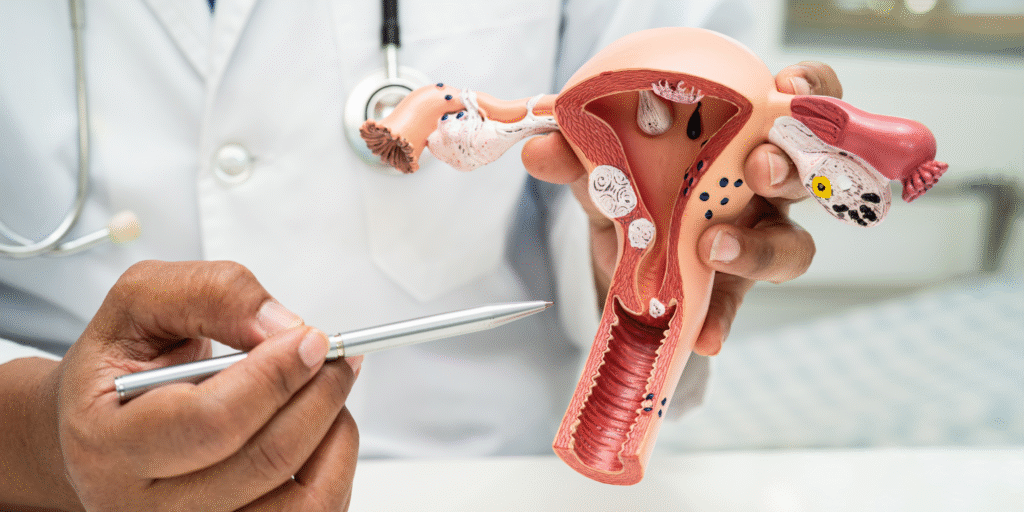
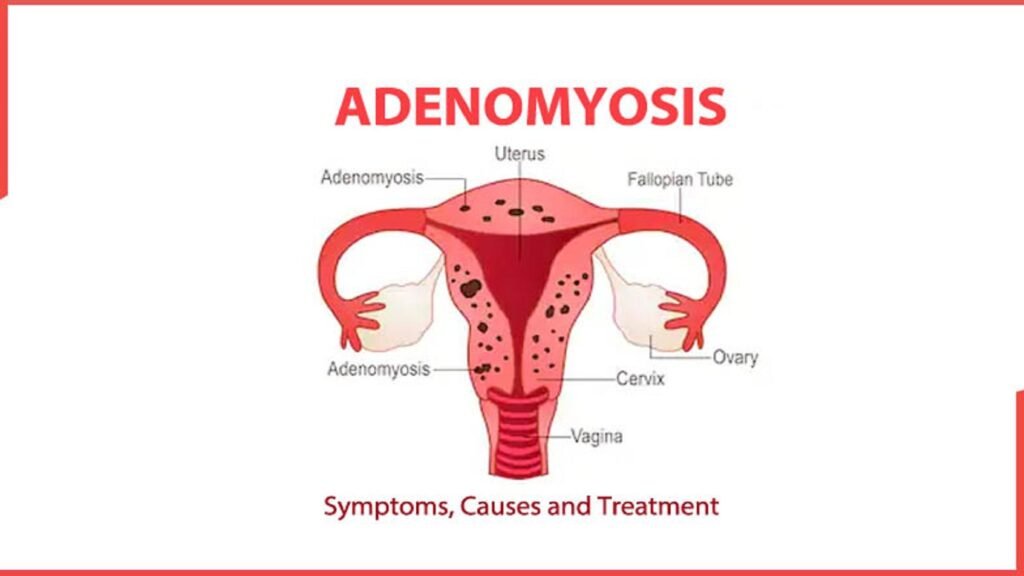
Quick answer: Adenomyosis is an oestrogen-dependent condition. Oestrogen stimulates the misplaced tissue in the uterine muscle to grow, while the tissue responds poorly to progesterone, which normally calms it. This imbalance fuels inflammation, bleeding and pain. Symptoms often peak in the late 30s and 40s and usually settle after menopause, when oestrogen falls.
Hypothalamus and PCOS: How the Brain Drives Hormone Imbalance
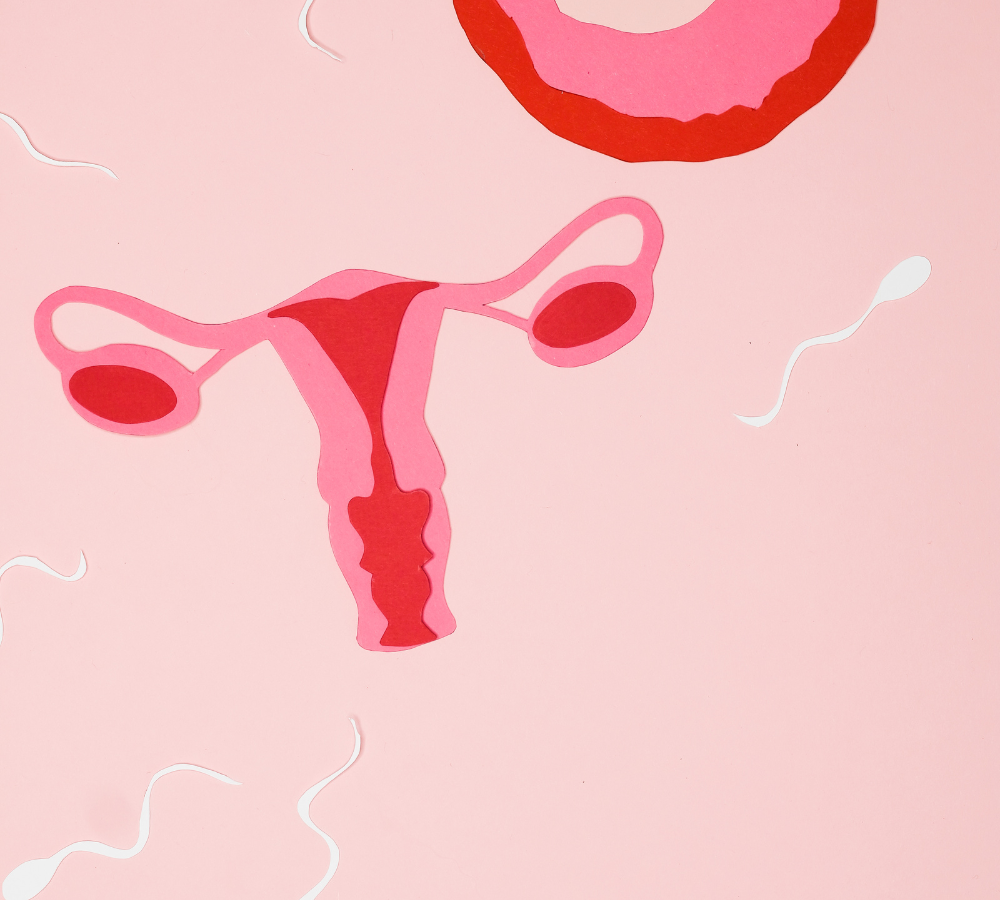
In PCOS, the hypothalamus releases its signalling hormone GnRH in pulses that are too fast. This makes the pituitary produce too much LH relative to FSH, which pushes the ovaries to make extra androgens and stops follicles maturing. Insulin resistance and high androgens then keep this cycle going, so ovulation becomes irregular.
Endometriosis Diagnosis: Ultrasound, MRI and Laparoscopy Explained
Quick answer: Endometriosis diagnosis begins with a detailed history and pelvic examination, followed by transvaginal ultrasound, which can detect ovarian cysts (endometriomas) and deep disease. MRI maps complex or deep endometriosis. Laparoscopy, with biopsy, is used when imaging is normal but symptoms persist or surgery is planned. Blood tests such as CA-125 cannot confirm it.
PCOS Irregular Periods: Why They Happen and How to Treat Them

PCOS causes irregular periods because high androgen and insulin levels stop follicles maturing, so ovulation happens rarely or not at all. Without ovulation, periods become infrequent, unpredictable or occasionally heavy. Treatment with lifestyle changes, the combined pill, cyclical progestogen or metformin can regulate bleeding and protect the womb lining.
Egg Freezing Age and Success Rate: What Your Age Means
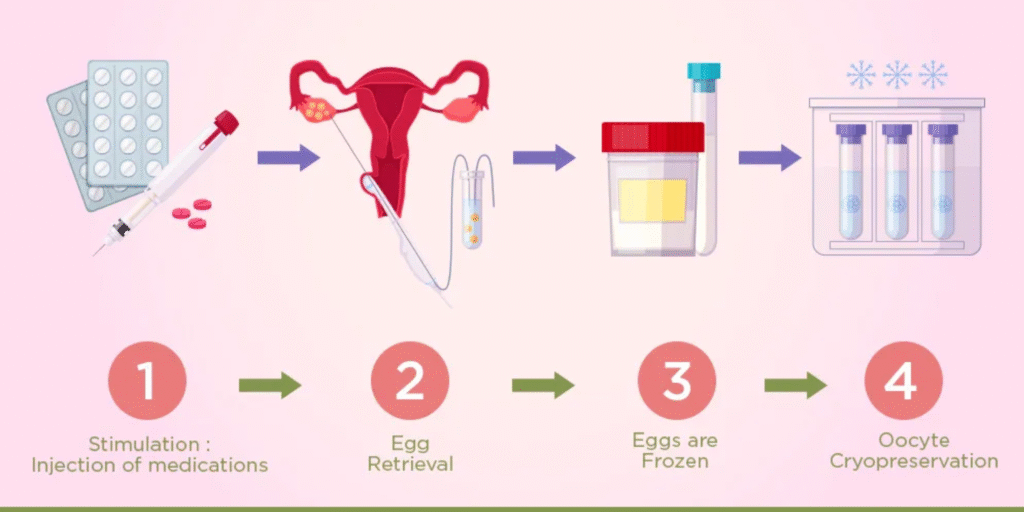
Your age when eggs are frozen is the strongest predictor of egg freezing success. Eggs frozen before 35 give the best chance of a live birth, often with around 10 to 15 mature eggs. After 37, more eggs and often more cycles are needed, and success per egg falls steadily, especially after 40.