
Gynaecology Care in Bengaluru: Common Problems and Treatment
Quick answer: Gynaecology care in Bengaluru covers the diagnosis and treatment of common problems of the uterus, ovaries, cervix and vagina, including irregular or heavy periods, period pain, PCOS, fibroids, endometriosis, vaginal infections, cysts and menopause. It also includes preventive care such as Pap tests, HPV vaccination and contraception advice. Most conditions are managed with medicines; some need minimally invasive surgery.
Key takeaways
- Many gynaecological problems are common, treatable and nothing to feel embarrassed about.
- Changes in your periods, pelvic pain and unusual discharge are worth getting checked.
- Most diagnoses need only a consultation, examination, ultrasound and simple blood tests.
- Treatment usually starts with medicines; surgery, when needed, is often keyhole.
- Regular screening helps prevent cervical cancer and detect problems early.
What are the common gynaecological problems?
The most common problems relate to periods, pain, hormones, infections and growths in the pelvic organs.
| Problem | Typical symptoms | Usual first approach |
|---|---|---|
| Heavy menstrual bleeding | Flooding, clots, periods over 7 days, tiredness | Blood tests, scan, medicines or hormonal IUS |
| Irregular periods and PCOS | Infrequent periods, acne, excess hair, weight gain | Hormone tests, scan, lifestyle changes, medicines |
| Painful periods | Cramps that disrupt work or school | Pain relief, hormonal treatment, check for endometriosis |
| Fibroids and adenomyosis | Heavy, painful periods, pressure symptoms | Ultrasound, medicines, surgery if needed |
| Endometriosis | Severe period pain, pain with sex, infertility | Medicines, laparoscopy in selected cases |
| Polyps | Bleeding between periods or after sex | Scan, hysteroscopic removal |
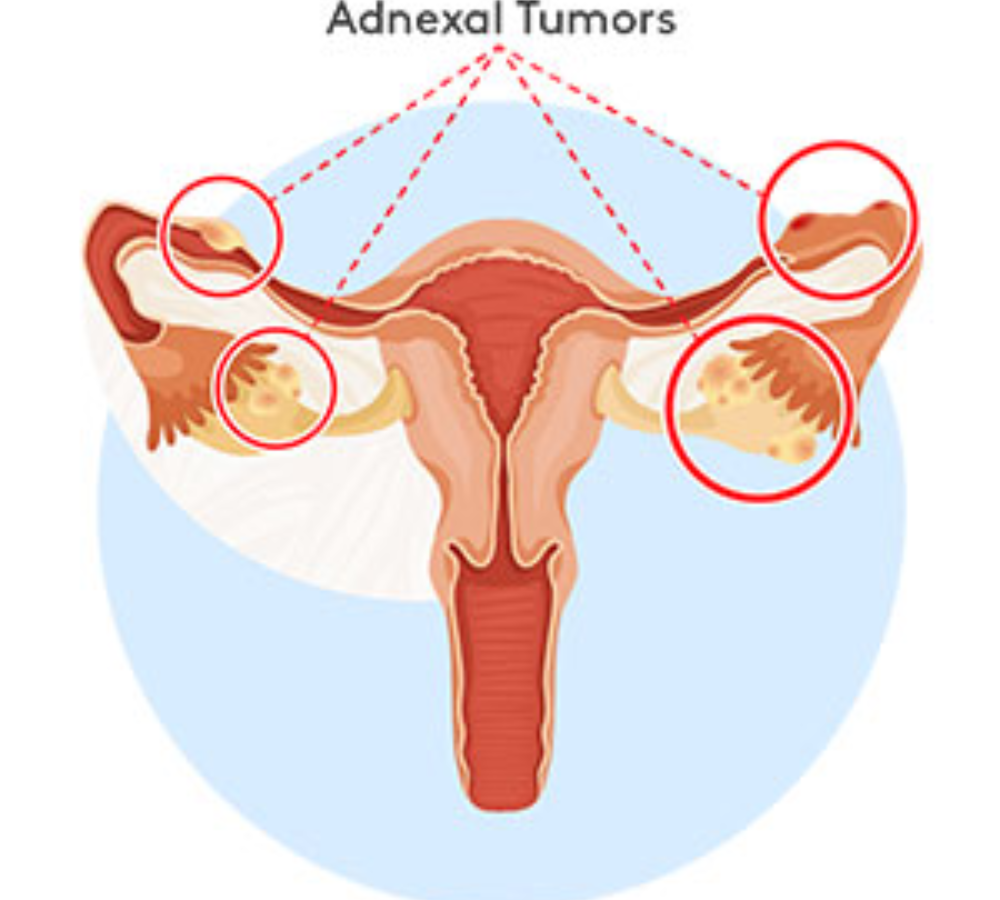
| Ovarian cysts | Often none; sometimes pain or bloating | Repeat scan; surgery for persistent or complex cysts |
| Vaginal infections and discharge | Itching, odour, unusual discharge | Examination, swab test, targeted treatment |
| Urinary problems and prolapse | Leaking urine, heaviness or a bulge | Pelvic floor exercises, pessary or surgery |
| Menopause | Hot flushes, sleep and mood changes, dryness | Lifestyle, HRT or non-hormonal treatment |
Who should see a gynaecologist?
Every woman benefits from seeing a gynaecologist at different stages of life, not only when something is wrong.
- Teenagers: for period problems, PCOS concerns and HPV vaccination. See adolescent health.
- Women in their 20s and 30s: contraception, cervical screening, pre-pregnancy advice and fertility concerns.
- Women in their 40s: perimenopausal bleeding changes, fibroids, and screening.
- After menopause: symptom relief, bone health and any bleeding after menopause.
What to expect at a gynaecology consultation: step by step
- Booking: book online or by phone. If possible, avoid scheduling a pelvic examination during your period unless the problem is bleeding.
- Conversation: Dr. Divya asks about your symptoms, periods, pregnancies, contraception, medical history and medicines. Bring previous reports and scans.
- Examination: a general and abdominal examination, and a pelvic or speculum examination only if needed and with your consent. A female chaperone is present.
- Tests: commonly a pelvic ultrasound, blood tests (haemoglobin, thyroid, hormones, sugar), a Pap or HPV test, or swabs.
- Diagnosis and plan: the findings and your options are explained in plain language, and you decide together.
- Treatment and follow-up: medicines, a minor procedure or surgery are arranged, with a review to check progress.
What results can you realistically expect?
Most common gynaecological problems can be controlled well, and many can be cured.
Infections usually clear with a short course of treatment. Heavy or painful periods typically improve within 3–6 months of the right treatment. Long-term conditions such as PCOS, endometriosis and adenomyosis are managed rather than cured, with the goal of keeping you symptom-free and protecting fertility. Outcomes depend on early diagnosis, the correct cause being identified and regular follow-up.
What are the risks and side effects of treatment?
Risks depend on the treatment. Hormonal medicines may cause spotting, bloating or mood changes, usually in the first few months. Minor procedures, such as hysteroscopy, have a small risk of infection or bleeding. Laparoscopic surgery carries risks of anaesthesia, bleeding, infection and, rarely, injury to nearby organs. Dr. Divya will explain the specific risks of any recommended treatment before you decide.
Recovery and aftercare
Most treatments need no recovery time. After day-care procedures such as hysteroscopy, most women return to work in 1–2 days; after laparoscopy, usually 1–2 weeks. Keep a symptom or period diary, take medicines as advised, and keep up with screening: a Pap test every 3 years from 21–25 years, or HPV testing every 5 years from 30, as advised.
What does gynaecology treatment cost?
Costs depend on the consultation, the tests needed (ultrasound, blood tests, Pap or HPV test), the medicines and their duration, and, if needed, the type of procedure, anaesthesia and day-care or hospital charges. Our team will explain likely costs once a plan is agreed.
When to see a gynaecologist
- Bleeding between periods, after sex or after menopause
- Periods that are very heavy, very painful, or absent for 3 months (when not pregnant)
- Persistent pelvic pain, bloating or a lump in the abdomen
- Unusual vaginal discharge, sores or itching
- Difficulty conceiving after 12 months (6 months if over 35)
Seek emergency care for sudden severe abdominal pain, heavy bleeding with dizziness, or fainting, especially if you could be pregnant.
Why choose Dr. Divya Venugopalan?
Dr. Divya Venugopalan is a gynaecologist, obstetrician and fertility specialist with over 14 years of experience. She holds an MBBS from KIMS, Bengaluru, a DNB in Obstetrics and Gynaecology, a Fellowship in Reproductive Medicine (FRM) and a Fellowship in Minimal Access Surgery (FMAS), so she can manage both medical and surgical gynaecology. She is a member of IMA, BSOG, IAGE and the PCOS Society.
She consults in English, Hindi, Kannada, Malayalam, Tamil and Telugu at Thanisandra, Sahakar Nagar and HRBR Layout. Book a consultation.

Frequently Asked Questions
When should I see a gynaecologist?
See a gynaecologist for irregular, heavy or painful periods, bleeding between periods or after sex, pelvic pain, unusual discharge, difficulty conceiving or menopause symptoms. Routine visits for screening and contraception advice are also worthwhile.
At what age should a girl first see a gynaecologist?
A first visit between 13 and 15 years is useful for discussing periods, HPV vaccination and general health. A pelvic examination is not usually needed at that visit unless there is a specific problem.
How often should I have a Pap test?
Cervical screening is generally recommended every three years with a Pap test from about 21 to 25 years, or every five years with HPV testing from 30 years. Your doctor will advise based on your age and history.
Is a pelvic examination painful?
A pelvic examination may feel uncomfortable, but it should not be painful. It takes only a few minutes, is done only with your consent, and you can ask to stop at any time.
What should I bring to my gynaecology appointment?
Bring previous medical reports, scans and prescriptions, a list of your medicines, and the date of your last period. Noting your symptoms and questions beforehand helps make the consultation more useful.
Are irregular periods always a sign of PCOS?
No. Irregular periods can also be caused by thyroid problems, stress, weight changes, high prolactin or perimenopause. A consultation, ultrasound and blood tests help find the cause.
Medically reviewed by: Dr. Divya Venugopalan, MBBS, DNB (OBG), FRM, FMAS. Gynaecologist & fertility specialist, Bengaluru (KMC Reg. No. 91293). Last reviewed: 27 October 2026.
This page is for general information and does not replace a personal consultation. In an emergency, visit the nearest hospital emergency department.
Book a consultation with Dr. Divya → or call +91 99459 26987 (Mon–Sat, 10 AM–1 PM and 3–8 PM).