
IVF Treatment in Bengaluru: Steps, Success Factors and Costs
Quick answer: IVF (in-vitro fertilisation) is a fertility treatment in which the ovaries are stimulated to produce several eggs, the eggs are collected and fertilised with sperm in a laboratory, and a resulting embryo is placed in the uterus. One cycle takes about four to six weeks, and success depends mostly on the woman’s age and embryo quality.
Key takeaways
- IVF is the most effective treatment for blocked tubes, severe male-factor infertility, low ovarian reserve and repeated IUI failure.
- A cycle involves about 10–12 days of injections, a short egg collection under anaesthesia and an embryo transfer.
- Age is the single biggest factor in success; results fall steadily after the mid-thirties.
- Transferring one good-quality embryo at a time keeps mother and baby safest.
- In India, IVF is regulated under the ART (Regulation) Act, 2021.
What is IVF treatment?
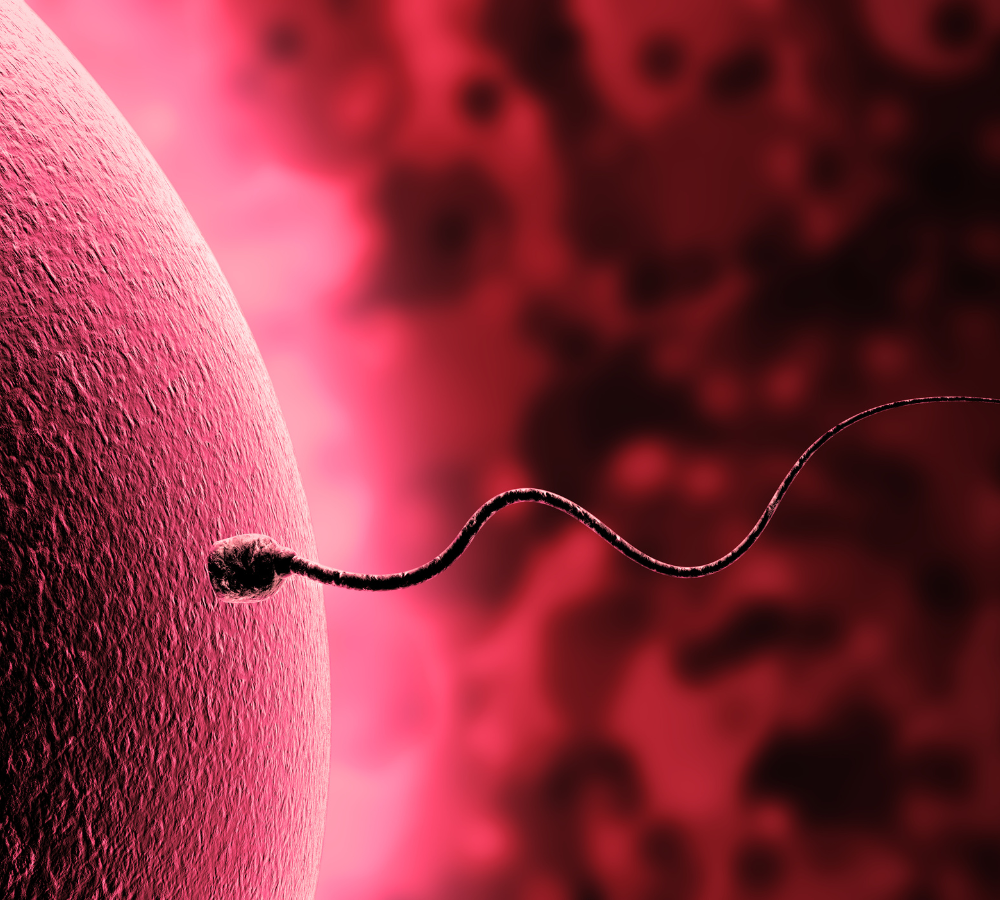
IVF means fertilisation “in glass”: eggs and sperm meet outside the body in a controlled laboratory, and the embryo that forms is then returned to the uterus.
By bypassing the fallopian tubes and helping sperm reach the egg, IVF overcomes many barriers to natural conception. When sperm quality is poor, a related technique, ICSI, injects a single sperm into each egg. Spare good-quality embryos can be frozen for later use.
Who needs IVF treatment?
IVF is recommended when simpler treatments are unlikely to work or have not worked. Common reasons include:
- blocked or damaged fallopian tubes, or tubes removed after ectopic pregnancy;
- moderate to severe male-factor infertility;
- moderate to severe endometriosis;
- low ovarian reserve or a woman’s age over about 37–38;
- PCOS that has not responded to ovulation induction;
- unexplained infertility after several unsuccessful IUI cycles;
- couples who need genetic testing of embryos (PGT) for an inherited condition;
- fertility preservation using frozen eggs or embryos.
What to expect: step by step
- Evaluation. AMH and antral follicle count to assess ovarian reserve, thyroid and other blood tests, infection screening for both partners, semen analysis, and a check of the uterine cavity.
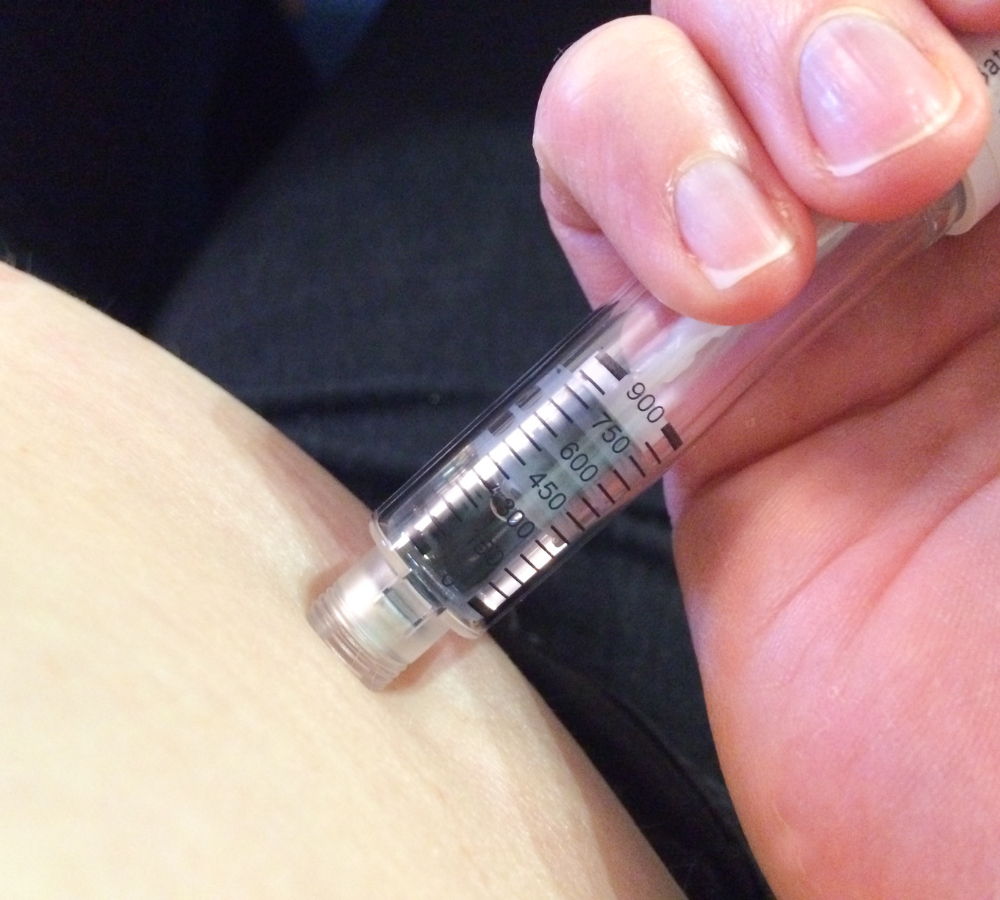
- Ovarian stimulation. Daily hormone injections for around 10–12 days help several follicles grow. A second medicine prevents early ovulation.
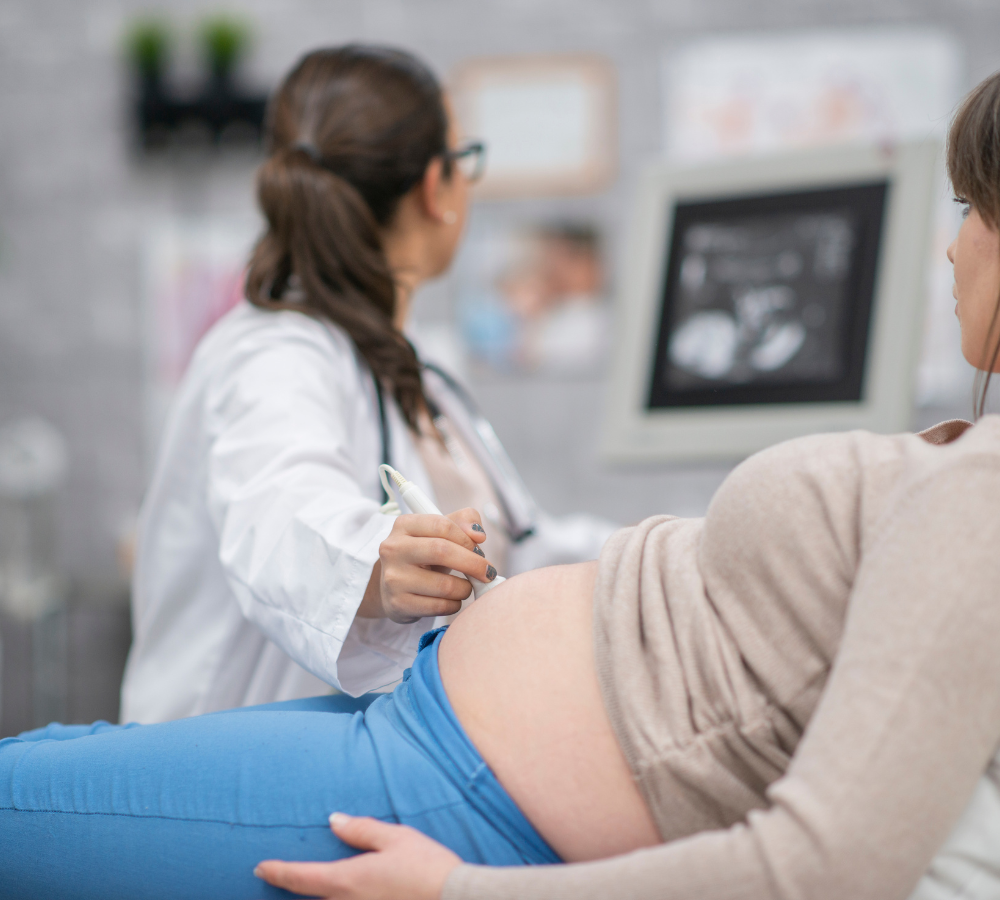
- Monitoring. Regular ultrasound scans and, when needed, blood tests adjust the dose.
- Trigger injection. Given when the follicles are mature, to complete egg maturation.
- Egg collection. About 34–36 hours later, eggs are retrieved through the vagina with a fine needle under ultrasound guidance and short anaesthesia. It takes 15–30 minutes and you go home the same day.
- Fertilisation and embryo culture. Eggs are mixed with sperm (IVF) or injected (ICSI), and embryos are grown for three to five days.
- Embryo transfer. A soft catheter places one embryo in the uterus, usually without pain or anaesthesia. Alternatively, all embryos are frozen and transferred in a later cycle.
- Pregnancy test. A blood test for beta-hCG about 10–14 days after transfer.
What is the success rate of IVF?
There is no single success rate. The chance of a live birth per embryo transfer is highest in women under 35 and falls gradually with age, because egg quality declines.
| Factor | Why it matters |
|---|---|
| Woman’s age and egg quality | The strongest predictor of success |
| Ovarian reserve (AMH, follicle count) | Affects how many eggs are collected |
| Embryo quality | Blastocysts of good grade implant more often |
| Uterus and endometrium | Polyps, fibroids, adhesions or a thin lining lower the chance |
| Sperm quality | Influences fertilisation and embryo development |
| Lifestyle | Healthy weight, no smoking and limited alcohol help |
Many couples need more than one transfer. Dr. Divya will give you a realistic estimate based on your own tests before you begin.
What are the risks and side effects of IVF?
- Medication effects: bloating, breast tenderness, mood swings and bruising at injection sites.
- Ovarian hyperstimulation syndrome (OHSS): abdominal swelling, nausea or breathlessness. Modern protocols and freezing all embryos when needed have made severe OHSS uncommon.
- Egg collection: mild pain or spotting; bleeding or infection is rare.
- Multiple pregnancy: largely avoided with single embryo transfer.
- Ectopic pregnancy and miscarriage can still occur, as in natural pregnancy.
- Emotional strain: IVF can be stressful, and counselling support is valuable.
Recovery and aftercare
After egg collection, rest for the remainder of the day; most women return to normal routines the next day. After embryo transfer, normal activity is encouraged, as bed rest does not improve results. Continue progesterone support exactly as prescribed, avoid heavy exercise, smoking and alcohol, and wait for the scheduled blood test. If the test is positive, an early scan at around six to seven weeks confirms the pregnancy location and heartbeat.
How much does IVF cost?
IVF costs vary widely because every plan is individual. The main components are:
- stimulation medicines, which depend on age, ovarian reserve and dose;
- scans and blood tests during monitoring;
- egg collection, anaesthesia and laboratory work;
- ICSI, embryo freezing, blastocyst culture or genetic testing, if needed;
- frozen embryo transfers and storage in later cycles.
A written estimate is shared after your evaluation, so there are no surprises.
When to see a doctor
Consult a fertility specialist after 12 months of trying if you are under 35, after 6 months if you are 35–39, and straight away if you are 40 or older, have known blocked tubes, endometriosis, very irregular periods or a known sperm problem. During IVF, seek urgent care for severe abdominal pain, rapid weight gain, breathlessness, fainting or heavy bleeding.
Why choose Dr. Divya Venugopalan
Dr. Divya Venugopalan is a fertility specialist and gynaecologist in Bengaluru with over 14 years of experience. She holds an MBBS from KIMS, a DNB in Obstetrics & Gynaecology and a Fellowship in Reproductive Medicine (FRM), with additional training in minimal access surgery (FMAS) for conditions such as fibroids and endometriosis that affect IVF outcomes. She is a member of IFS, ISAR and ASPIRE.
She explains each step, keeps the plan evidence-based and discusses outcomes honestly. If IVF has failed before, she also evaluates recurrent implantation failure. Book a consultation at Thanisandra, Sahakar Nagar or HRBR Layout.
Frequently Asked Questions
How long does one IVF cycle take?
About four to six weeks from the start of ovarian stimulation to the pregnancy test. Stimulation injections take roughly 10–12 days, egg collection is a short day-care procedure, and embryo transfer follows three to five days later or in a later frozen cycle.
What affects IVF success?
The most important factors are the woman’s age and egg quality. Sperm quality, embryo quality, the health of the uterine lining and lifestyle factors such as weight and smoking also matter.
Is IVF painful?
The daily injections cause only mild discomfort. Egg collection is done under short anaesthesia, so you will not feel pain, and embryo transfer usually feels like a Pap smear.
Is a frozen embryo transfer as good as a fresh one?
Frozen embryo transfers give comparable results in most women and may be safer when there is a risk of OHSS. Your doctor will advise which is better for you.
How many embryos are transferred?
Usually one good-quality embryo, and no more than the limits set by Indian ART rules. Single embryo transfer reduces the risks of twins and preterm birth.
Are IVF babies healthy?
Yes. Most babies conceived through IVF are healthy, and long-term studies are reassuring. Some risks relate more to the underlying cause of infertility or to multiple pregnancy than to IVF itself.
Medically reviewed by: Dr. Divya Venugopalan, MBBS, DNB (OBG), FRM, FMAS. Gynaecologist & fertility specialist, Bengaluru (KMC Reg. No. 91293). Last reviewed: 27 October 2026.
This page is for general information and does not replace a personal consultation. In an emergency, visit the nearest hospital emergency department.
Book a consultation with Dr. Divya → or call +91 99459 26987.