
Tubal Ligation in Bengaluru
Quick answer: Tubal ligation in Bengaluru is a permanent method of contraception in which both fallopian tubes are blocked, cut or removed so that eggs and sperm cannot meet. It is usually done laparoscopically through one or two small cuts, as a day-care procedure, or during a caesarean section. It is more than 99% effective and should be considered irreversible.
Key takeaways
- Tubal ligation (“family planning operation” or female sterilisation) is meant to be permanent.
- It does not affect your hormones, periods, menopause or sex life.
- Removing the tubes completely (salpingectomy) may also lower the risk of the most common type of ovarian cancer.
- It does not protect against sexually transmitted infections.
- Long-acting reversible options, such as the IUS, are just as effective and worth considering first.
What is tubal ligation?
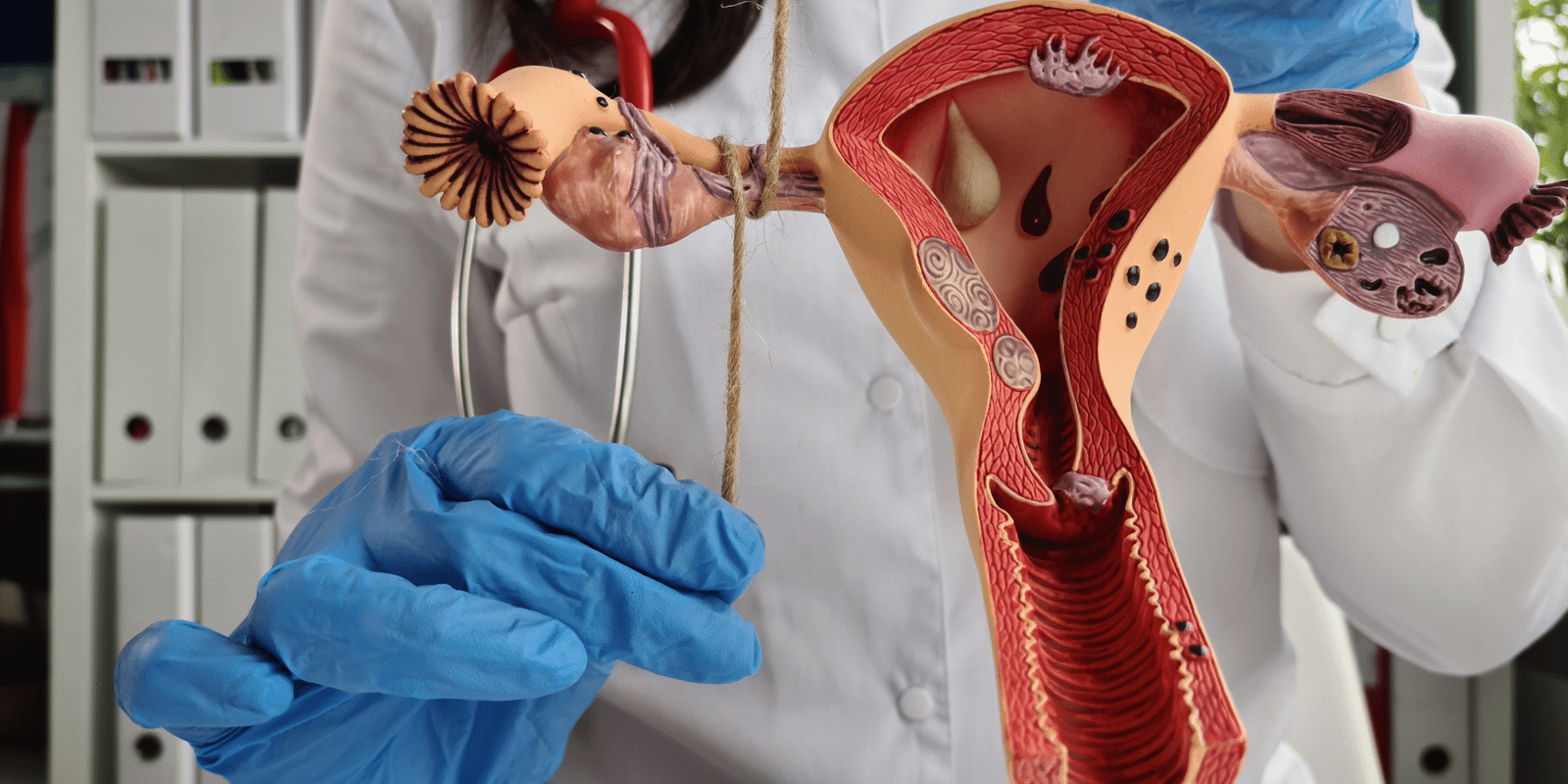
Tubal ligation is a surgical procedure that closes or removes a section of both fallopian tubes, the passages that carry the egg from the ovary to the uterus. Once the tubes are blocked, sperm cannot reach the egg, so fertilisation cannot take place.
The tubes can be closed with clips or rings, cut and tied, sealed with energy, or removed entirely (bilateral salpingectomy). The ovaries are left untouched, so they continue to produce hormones and release eggs, which are naturally absorbed by the body.
Who is tubal ligation for?
Tubal ligation suits women who are certain they do not want any more children, or any children, in the future.
- Women who have completed their family
- Women for whom pregnancy would pose a serious health risk
- Women who cannot use or do not want long-term hormonal or device-based contraception
- Women having a caesarean section who have decided not to have more children
The decision deserves careful thought. Regret is more common in women under 30 and in those who decide during a stressful time, such as right after a pregnancy loss or relationship change. In India, sterilisation guidelines require informed written consent from the woman herself; your partner’s agreement is helpful but your own decision is what matters.
Tubal ligation compared with other options
| Method | Permanence | Effectiveness | Procedure |
|---|---|---|---|
| Tubal ligation or salpingectomy | Permanent | Over 99% | Surgery under anaesthesia |
| Hormonal IUS | Reversible, 5–8 years | Over 99% | Clinic insertion in minutes |
| Copper IUD | Reversible, 5–10 years | Over 99% | Clinic insertion in minutes |
| Vasectomy (partner) | Permanent | Over 99% | Minor procedure under local anaesthesia |
What to expect: step by step
- Counselling: Dr. Divya discusses your reasons, permanence, alternatives, risks and the chance of regret, and answers your questions.
- Consent and timing: written consent is taken. Interval procedures are usually done in the first half of the menstrual cycle, and a pregnancy test is done on the day.
- Pre-operative tests: blood tests and an anaesthesia check.
- The procedure: under general or spinal anaesthesia, one to three small cuts are made, the laparoscope is inserted and the tubes are clipped, sealed or removed. It typically takes 20–45 minutes.
- Other routes: it may be done through a small cut below the navel after childbirth (postpartum minilaparotomy), or during a caesarean section.
- Recovery and discharge: most women go home the same day or the next morning.
- Follow-up: a wound check in about a week.
How effective is tubal ligation?
Tubal ligation is more than 99% effective. Fewer than 1 in 100 women become pregnant over their lifetime after the procedure.
Effectiveness depends on the method used, with complete removal of the tubes being the most reliable, and on age, as younger women have more fertile years ahead. If pregnancy does occur after sterilisation, there is a higher chance that it is ectopic (outside the uterus), which needs urgent medical attention.
What are the risks and side effects?
- Short term: pain at the cut sites, shoulder-tip pain, bloating and nausea.
- Uncommon: wound infection, bleeding.
- Rare: injury to bowel, bladder or blood vessels, and anaesthesia complications.
- Failure: a small chance of pregnancy, with a higher proportion being ectopic.
- Regret: reversal surgery is complex, not always successful and IVF is often needed instead.
Good evidence shows that tubal ligation does not cause heavier periods or early menopause.
Recovery and aftercare
Most women resume light activities in 1–2 days and return to work within a week. Avoid heavy lifting for about a week, keep the wounds dry and clean, and resume intercourse when comfortable. Contraception is not needed after the procedure, though you should continue your current method until your next period if advised. Seek help for fever, increasing pain, wound discharge, or symptoms of pregnancy at any time in the future.
What does tubal ligation cost in Bengaluru?
The cost depends on:
- the method (laparoscopic, minilaparotomy or during a caesarean section);
- whether the tubes are clipped or removed;
- anaesthesia, day-care or hospital charges and room category;
- pre-operative tests;
- insurance coverage.
Sterilisation is also offered free under government family planning programmes. Our team can provide an estimate after your consultation.
When to see a doctor
Consult a gynaecologist if you are considering permanent contraception and want to compare options. After tubal ligation, see a doctor urgently if you miss a period with abdominal pain or bleeding, as this could be an ectopic pregnancy.
Why choose Dr. Divya Venugopalan?
Dr. Divya Venugopalan is a gynaecologist with over 14 years of experience. She holds a DNB in Obstetrics and Gynaecology and a Fellowship in Minimal Access Surgery (FMAS), and performs laparoscopic tubal procedures. As a fertility specialist (FRM), she can also counsel you honestly about what is possible if circumstances change later, including IVF.
She consults in six languages at Thanisandra, Sahakar Nagar and HRBR Layout. For other aspects of women’s health, see gynaecology care, or book a consultation.
Frequently Asked Questions
Is tubal ligation reversible?
Tubal ligation should be considered permanent. Reversal surgery is possible for some clip or ring methods, but success is not guaranteed and it is not possible after the tubes are removed. IVF is often the more reliable option if pregnancy is wanted later.
Will tubal ligation affect my periods or hormones?
No. The ovaries are not touched, so hormone production, periods and the timing of menopause continue as before. Any change in periods is usually due to stopping hormonal contraception.
How long does recovery from tubal ligation take?
Most women return to light activity in one to two days and to work within a week. Shoulder pain and soreness at the cut sites usually settle within a few days.
Can tubal ligation be done during a caesarean section?
Yes. If you have decided beforehand and given informed consent, the tubes can be tied or removed during a caesarean section without additional cuts.
What is the difference between tubal ligation and salpingectomy?
Tubal ligation blocks or cuts a section of the tubes, while salpingectomy removes the tubes completely. Salpingectomy is slightly more effective and may lower the risk of some ovarian cancers, but it cannot be reversed.
Can I still get pregnant after tubal ligation?
It is very unlikely, with fewer than 1 in 100 women becoming pregnant. If it happens, the risk of an ectopic pregnancy is higher, so take a pregnancy test and see a doctor promptly if you miss a period.
Medically reviewed by: Dr. Divya Venugopalan, MBBS, DNB (OBG), FRM, FMAS. Gynaecologist & fertility specialist, Bengaluru (KMC Reg. No. 91293). Last reviewed: 27 October 2026.
This page is for general information and does not replace a personal consultation. In an emergency, visit the nearest hospital emergency department.
Book a consultation with Dr. Divya → or call +91 99459 26987 (Mon–Sat, 10 AM–1 PM and 3–8 PM).